I think of a camera almost like a video game controller. I see a vision in my mind of what I want a photograph to look like, and the camera is the tool I use to turn that vision into something other people can see. I took this photography class because I realized there was a difference between knowing how to use the camera and being able to clearly explain how it works. I had spent years learning through practice, trial and error, and going out with my camera over and over again, but I did not feel confident that I could explain something as basic and important as the exposure triangle if someone asked me. I believe you understand something more deeply when you can teach it to someone else.
This portfolio tells the story of my photography journey through the sun, moon, and stars. These images show where I started, what I have learned through practice and consistency, and how I am moving toward the future I want. The story is not only about becoming a better photographer. It is also about becoming someone who can explain photography, share what I have learned, and help other people see what is possible with a camera.
The Moon: Don’t Compare Your Beginning
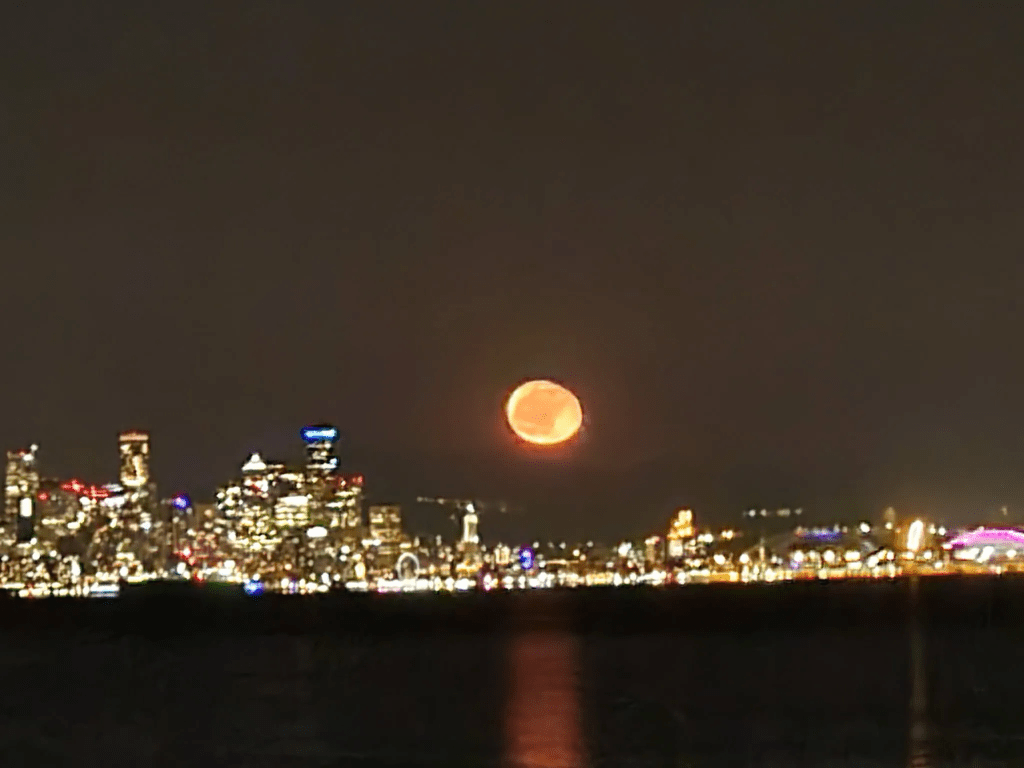
One of the first subjects that made me want to learn photography more seriously was the moon. I wanted to photograph it in a way that felt closer to the vision I had in my mind, but my early attempts did not always match what I imagined. I could see the photograph I wanted, but I did not yet understand all the planning, timing, exposure, and technique it would take to create it.
Looking back at my earlier moon photos, I can see how much I still had to learn. At the time, though, those images mattered to me because they represented effort, curiosity, and possibility. If I had compared those early photographs to people who had been practicing for years, I might have talked myself out of continuing.
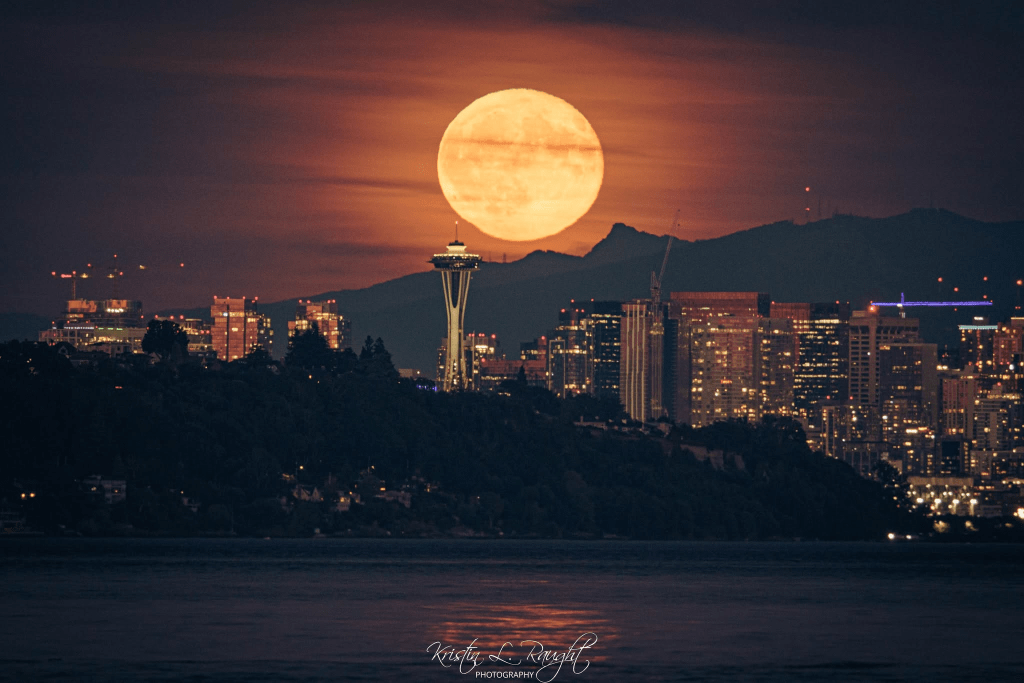
Photographing the moon taught me that a good moon photo usually starts before the camera is even in my hand. I had to learn how to plan where the moon would rise or set, how to line it up with a subject, and how to expose for something much brighter than the sky around it. The moon may look soft and glowing to our eyes, but to the camera it is a very bright object. If the exposure is too bright, the details disappear.
One thing I learned is that photographing the moon is not the same as photographing a dark night scene. The moon usually needs a faster shutter speed and lower ISO than people might expect because the goal is to protect the detail in the moon, not brighten the whole night sky. The exact settings depend on the lens, light, and composition, but the important lesson is that the moon has its own brightness, and the camera needs to be set for that.
Instead of giving up, I kept going. I learned more about my camera, the exposure triangle, planning apps, weather, timing, and how the moon moves through the sky. Each attempt taught me something, even when the photo did not turn out the way I hoped. The moon became a way for me to measure growth, not by perfection, but by the fact that I kept trying.

The Sun: Consistency Is Key
Photographing the sun taught me the importance of consistency. I started going out at sunset over and over again, sometimes in beautiful light and sometimes when it looked like nothing was going to happen. At first, I thought the goal was just to catch a dramatic sunset, but over time I realized that every walk was teaching me something.
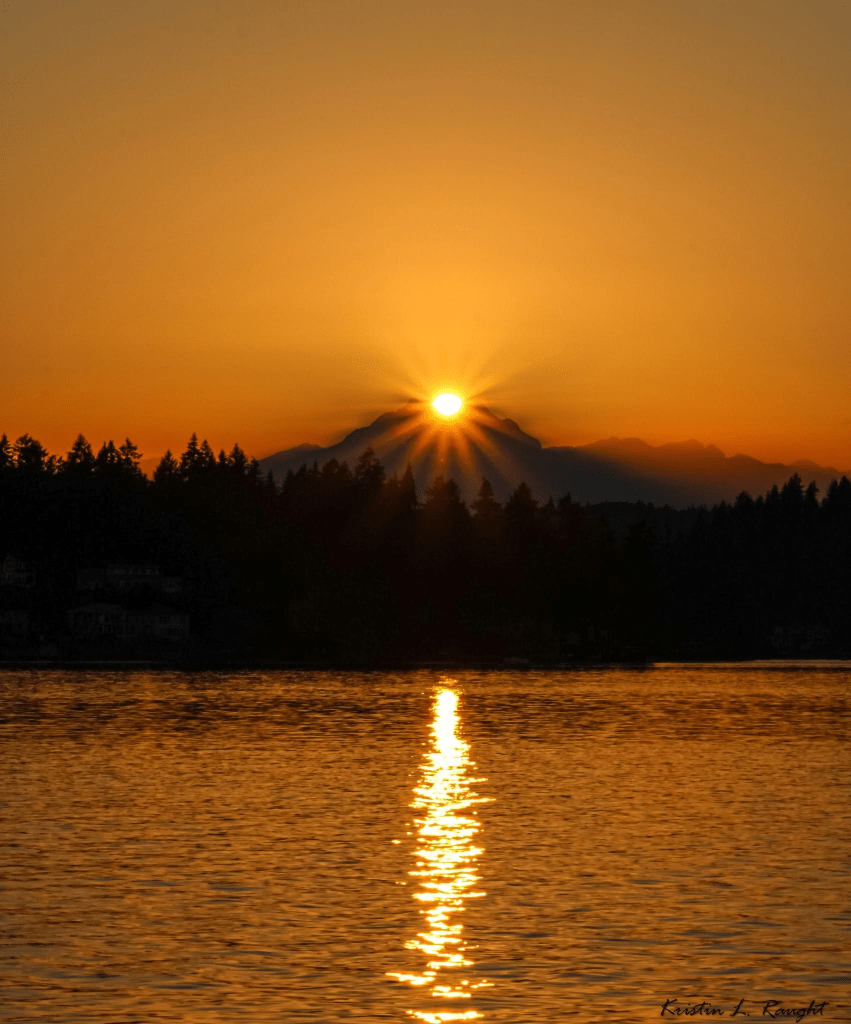
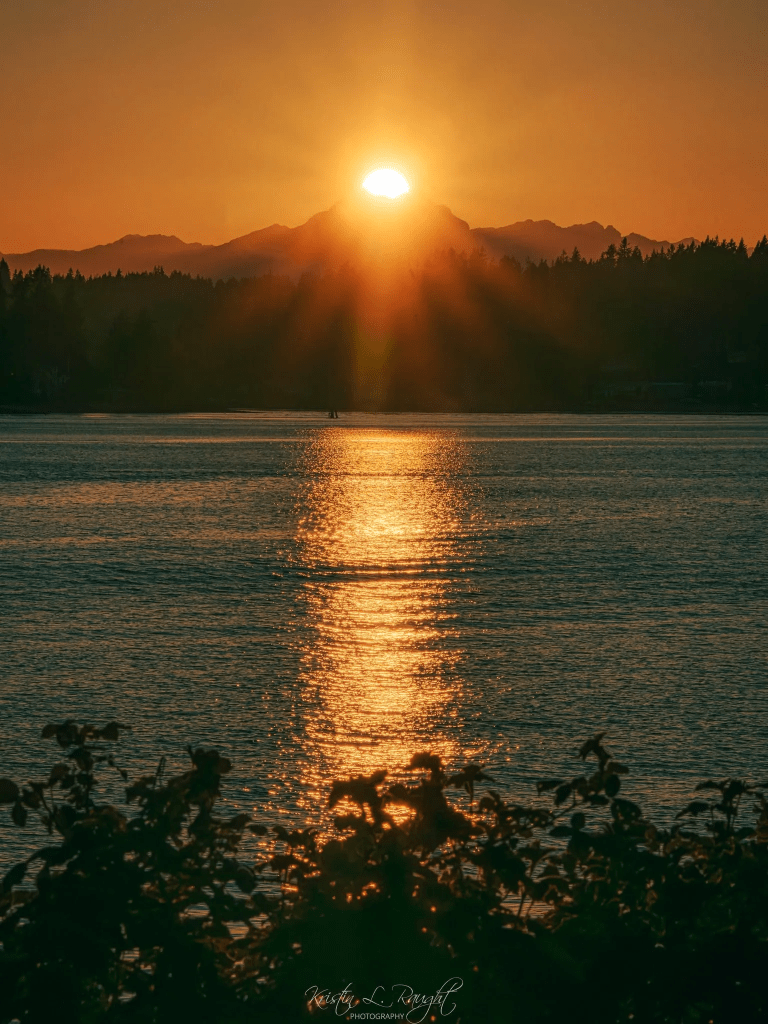
One of the images in this section is the sun setting between The Brothers in the Olympic Mountains. That photograph did not happen because I showed up once and got lucky. It happened because I kept returning to the same area, watching how the sun moved along the horizon, and learning how the light changed throughout the year. I started to understand that the sun does not set in the same place every night. It shifts with the seasons, and if you pay attention long enough, you can begin to predict when an alignment might happen.
This is also where technical choices became part of the story. To create a sunburst, I learned that I usually need a narrow aperture, such as f/16 or f/22, and it helps when the sun is partly blocked by something like a mountain, tree, building, or horizon line. The small opening bends the light around the aperture blades, creating the star shape. What looks like a magical effect is really a combination of light, timing, position, and camera settings.
This helped me see photography as a practice, not just a result. A strong image might look like luck from the outside, but behind it are all the days of showing up, watching, learning, planning, and trying again.
The Stars: Be Scared and Do It Anyway
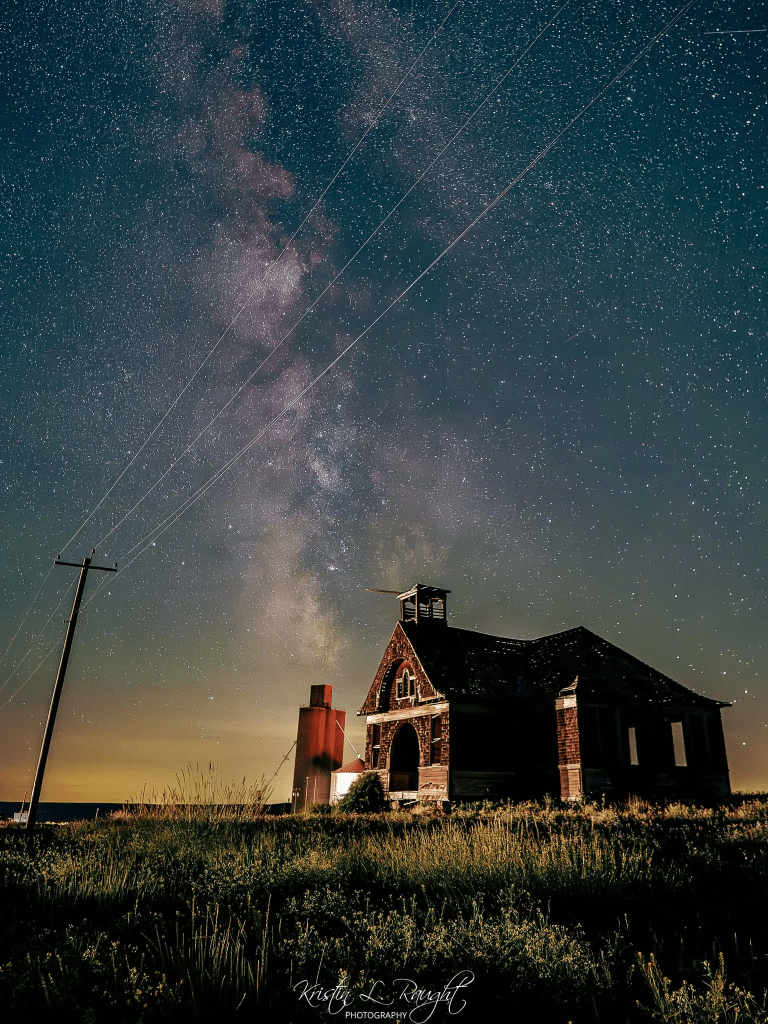
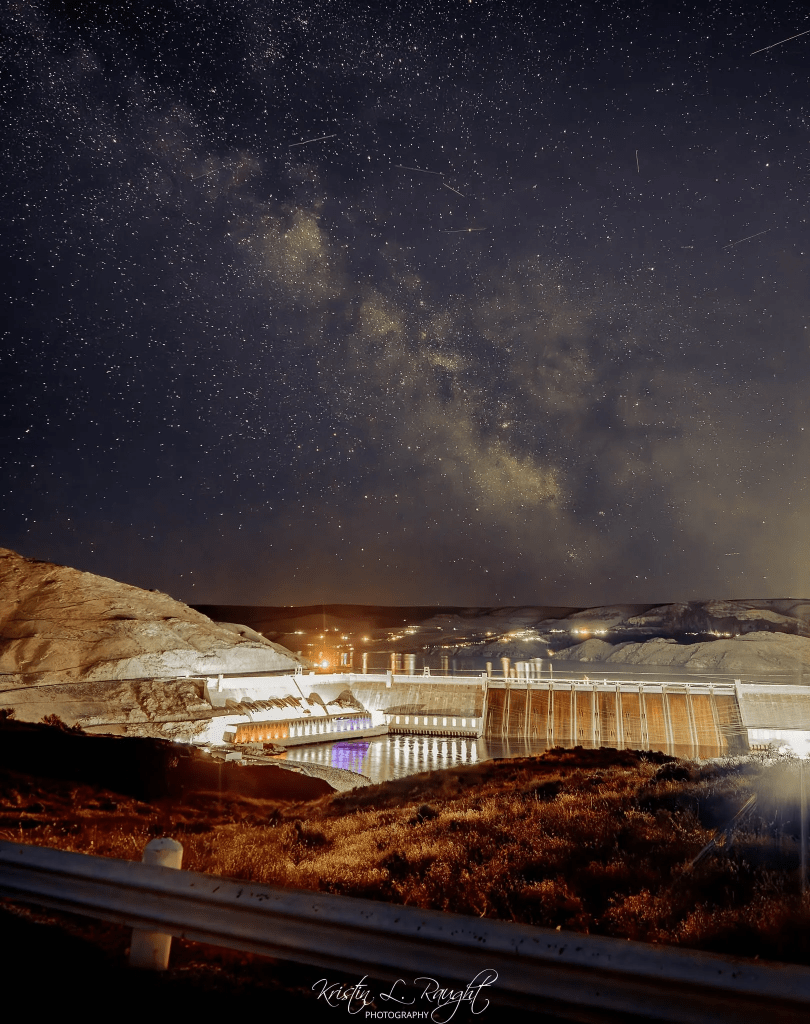
Photographing the stars taught me that learning often means doing something before I feel completely ready. Night photography intimidated me. It meant being outside in the dark, working with settings that felt less forgiving, and trusting myself enough to try even when I was nervous.
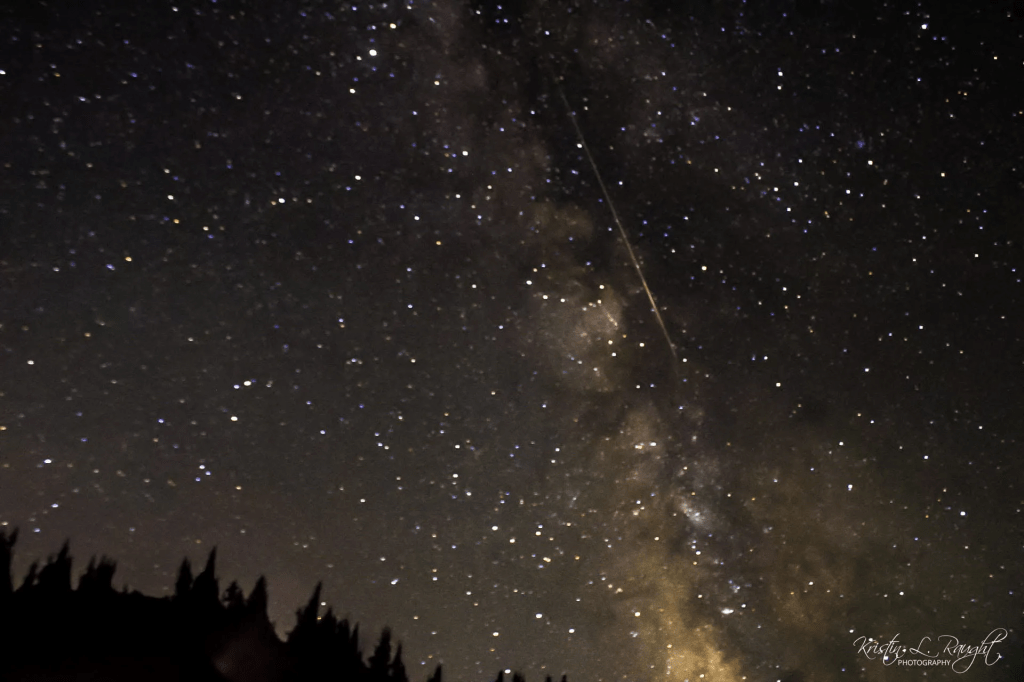
My first Milky Way photo was taken at Deer Park in 2023, and I caught a shooting star in the image. That experience stayed with me because it showed me what was possible if I pushed past the fear long enough to try. I had to learn how to work with wide apertures, slower shutter speeds, high ISO, manual focus, and the patience it takes to photograph something I could barely see with my eyes.
Photographing stars is different from photographing the moon because the stars are much dimmer. For the moon, I often need to protect the highlights because it is so bright. For stars, I need the camera to collect as much light as possible without leaving the shutter open so long that the stars turn into trails. That usually means using a wide aperture, a higher ISO, and a shutter speed short enough to keep the stars looking sharp.
This is where ISO started to make more sense to me. Aperture and shutter speed control how much light the camera actually collects, while ISO controls how strongly the camera amplifies the signal from that light. In night photography, the signal is often weak, so raising the ISO can help make the stars visible, but it can also make noise more noticeable.
The stars taught me that confidence does not always come before the photograph. Sometimes confidence comes after. Each time I go out and try something difficult, I build a little more trust in myself and in what I am capable of learning.
The Edit: Learning to Trust My Own Vision
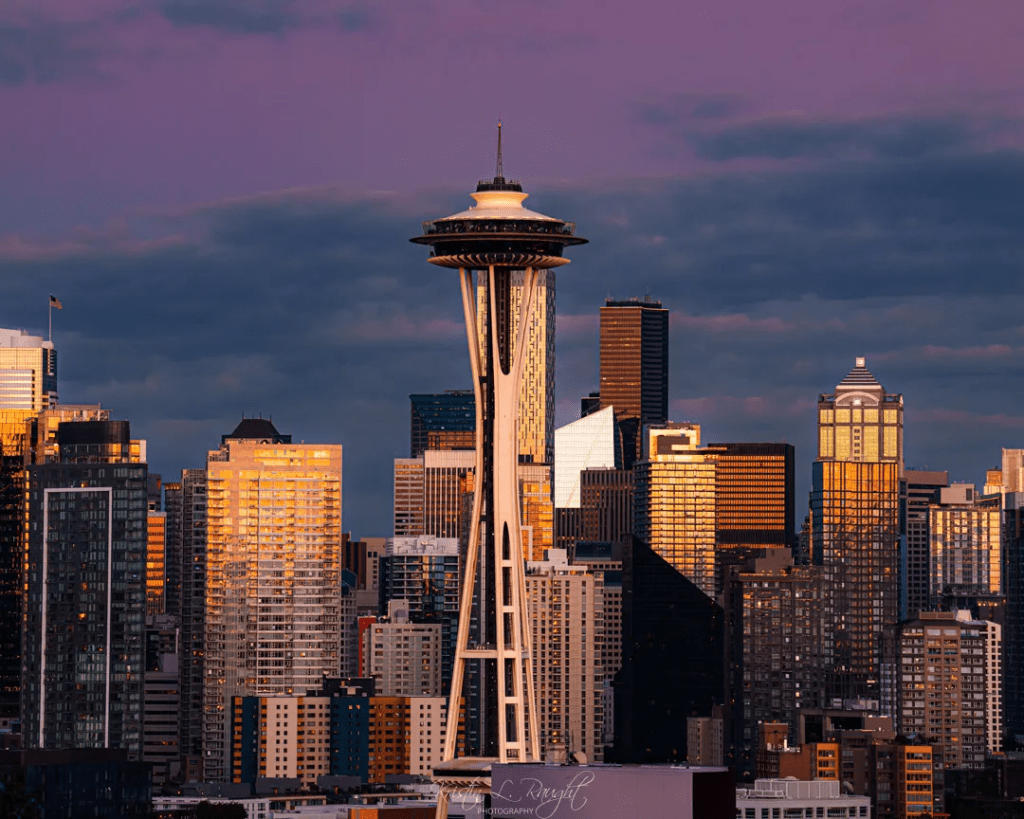
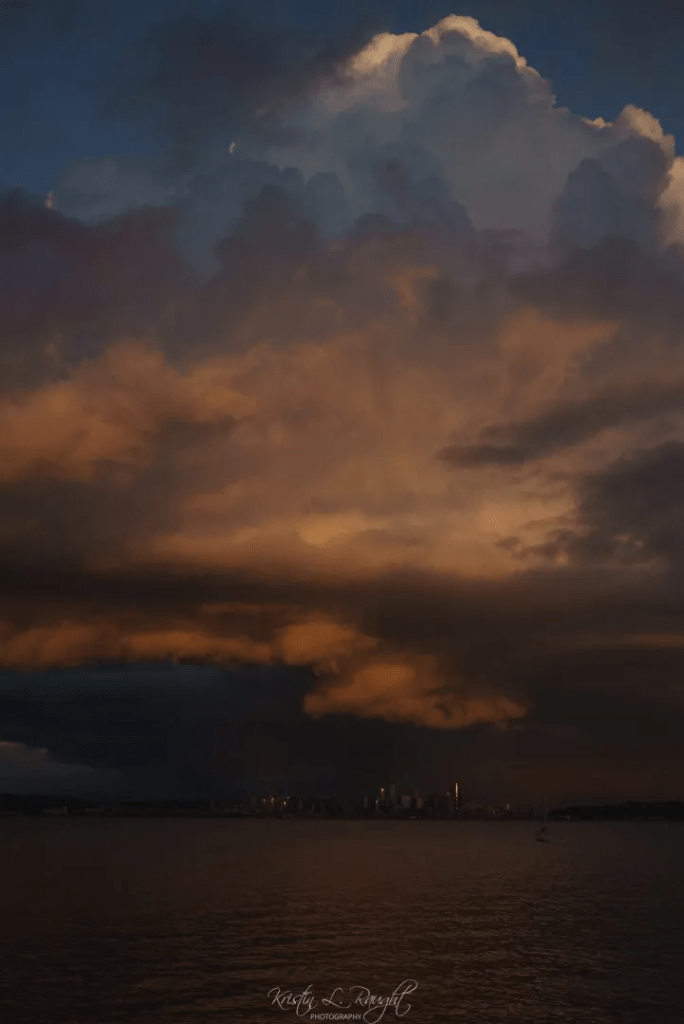
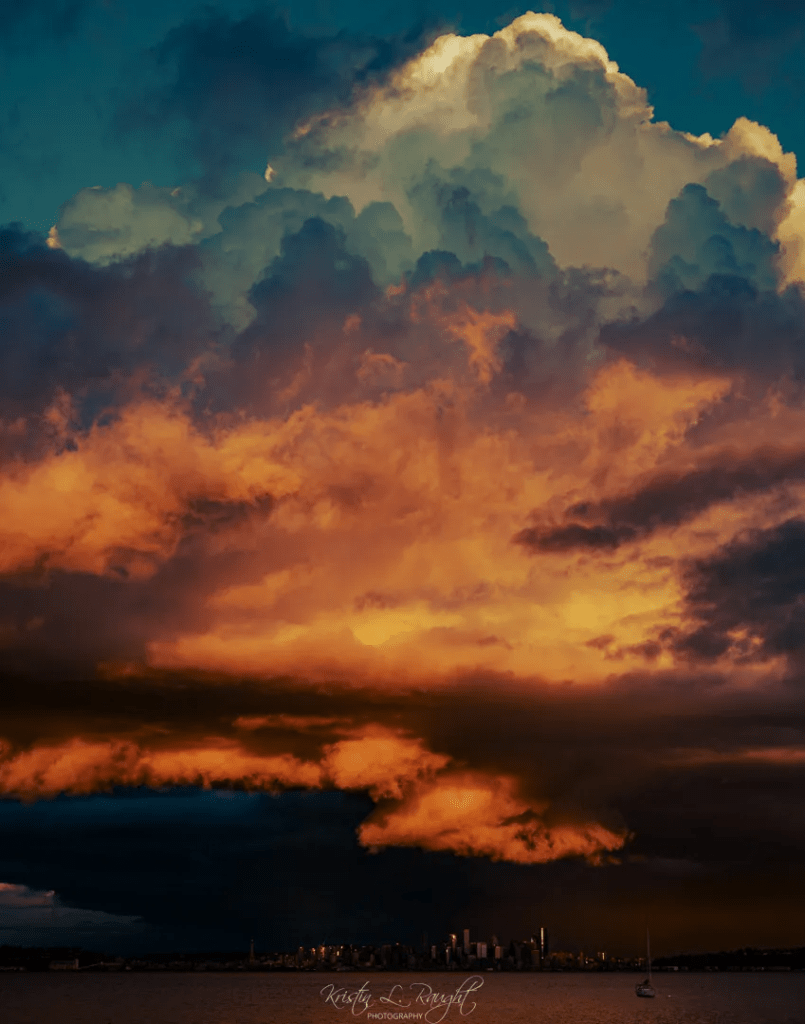
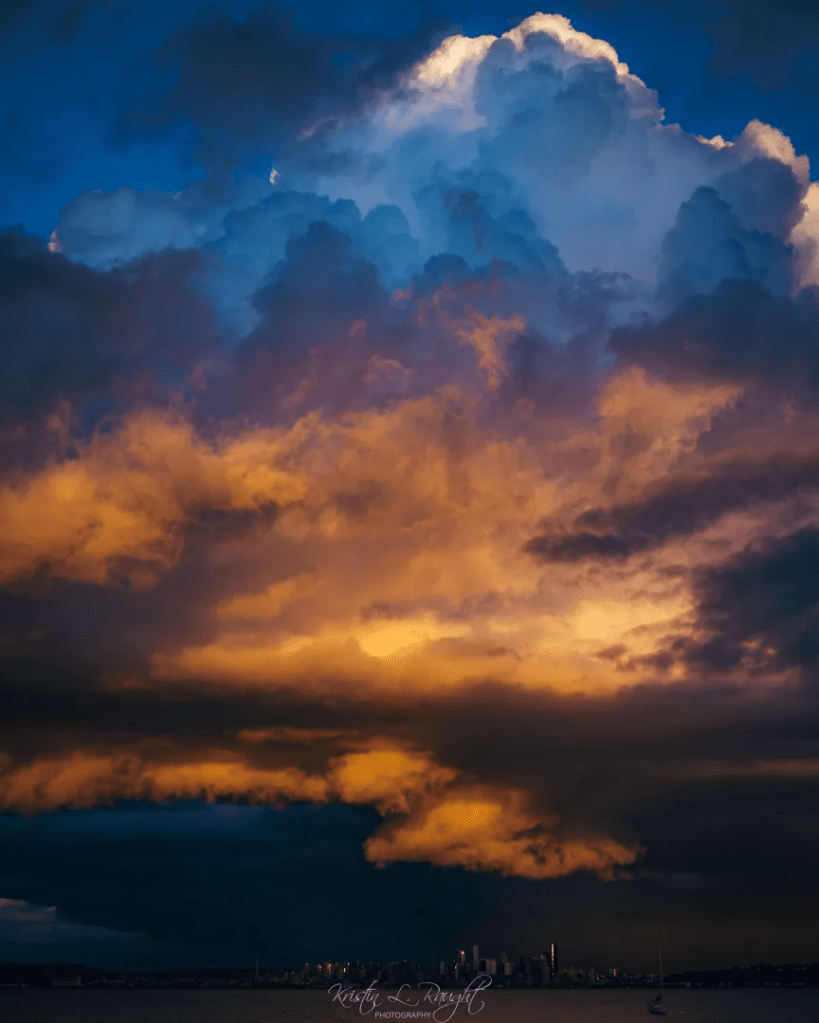
Editing taught me that a photograph does not end when I press the shutter. The camera records information, but I still have to decide how I want the final image to feel. For a long time, I was afraid of pushing an edit too far or making choices that other people might not understand. I wanted my photos to look “right,” but I was still learning what right meant for me.
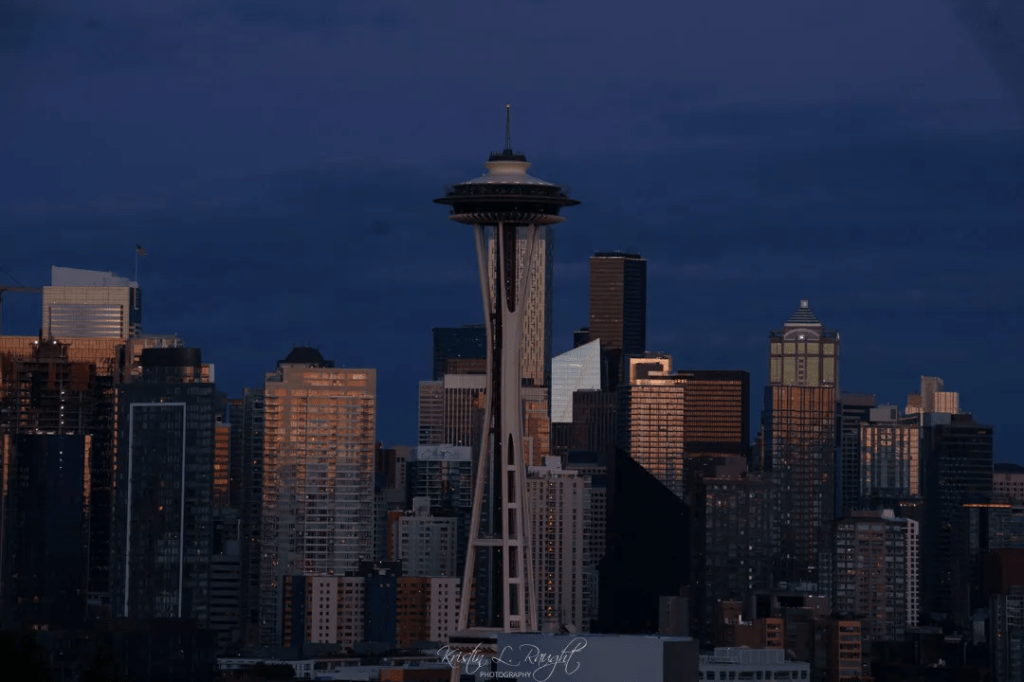
Over time, I started to understand editing as part of my photographic voice. When I edit, I am not only correcting exposure or color. I am choosing what to emphasize, what mood to create, and how to bring the image closer to the vision I had in my mind when I took it.
That has been one of the biggest changes in my photography. I am learning to trust my eye, my memory of the moment, and my own creative instincts. Photography is technical, but it is also personal. The settings help me capture the image, and the edit helps me communicate what I saw and how I felt.
I also like to go back to photos that stand out in my memory and edit them again after some time has gone by. I was going through a phase where I put intense color grading on all of my photos and I am gradually coming out of that phase.
https://www.facebook.com/kristin.raught.37625/#


