Sun, Moon, and Stars: Learning to See Through Photography

I think of a camera almost like a video game controller. I see a vision in my mind of what I want a photograph to look like, and the camera is the tool I use to turn that vision into something other people can see. I took this photography class because I realized there was a difference between knowing how to use the camera and being able to clearly explain how it works. I had spent years learning through practice, trial and error, and going out with my camera over and over again, but I did not feel confident that I could explain something as basic and important as the exposure triangle if someone asked me. I believe you understand something more deeply when you can teach it to someone else.

This portfolio tells the story of my photography journey through the sun, moon, and stars. These images show where I started, what I have learned through practice and consistency, and how I am moving toward the future I want. The story is not only about becoming a better photographer. It is also about becoming someone who can explain photography, share what I have learned, and help other people see what is possible with a camera.

The Moon: Don’t Compare Your Beginning

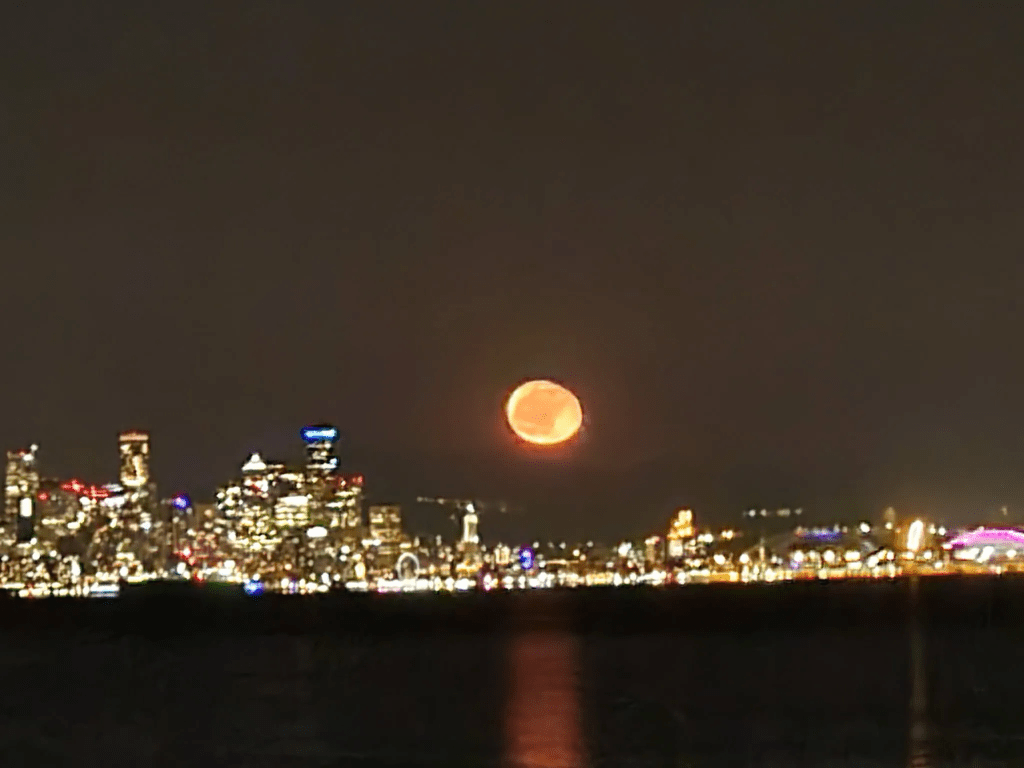
One of the first subjects that made me want to learn photography more seriously was the moon. I wanted to photograph it in a way that felt closer to the vision I had in my mind, but my early attempts did not always match what I imagined. I could see the photograph I wanted, but I did not yet understand all the planning, timing, exposure, and technique it would take to create it.

Looking back at my earlier moon photos, I can see how much I still had to learn. At the time, though, those images mattered to me because they represented effort, curiosity, and possibility. If I had compared those early photographs to people who had been practicing for years, I might have talked myself out of continuing.

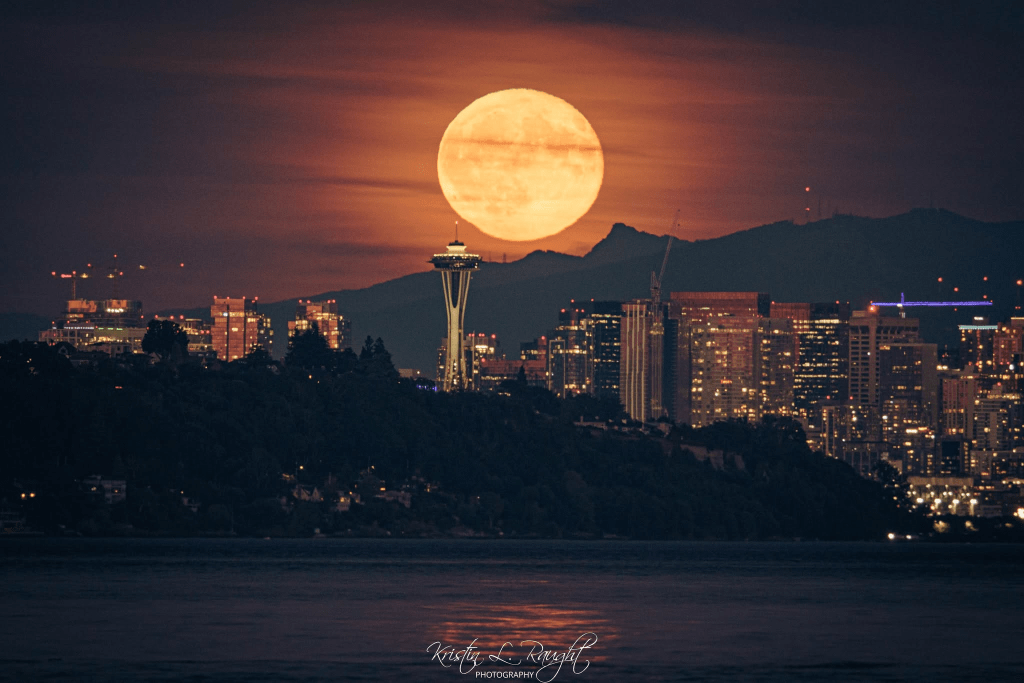
Photographing the moon taught me that a good moon photo usually starts before the camera is even in my hand. I had to learn how to plan where the moon would rise or set, how to line it up with a subject, and how to expose for something much brighter than the sky around it. The moon may look soft and glowing to our eyes, but to the camera it is a very bright object. If the exposure is too bright, the details disappear.

One thing I learned is that photographing the moon is not the same as photographing a dark night scene. The moon usually needs a faster shutter speed and lower ISO than people might expect because the goal is to protect the detail in the moon, not brighten the whole night sky. The exact settings depend on the lens, light, and composition, but the important lesson is that the moon has its own brightness, and the camera needs to be set for that.

Instead of giving up, I kept going. I learned more about my camera, the exposure triangle, planning apps, weather, timing, and how the moon moves through the sky. Each attempt taught me something, even when the photo did not turn out the way I hoped. The moon became a way for me to measure growth, not by perfection, but by the fact that I kept trying.
5/31/2026

The Sun: Consistency Is Key

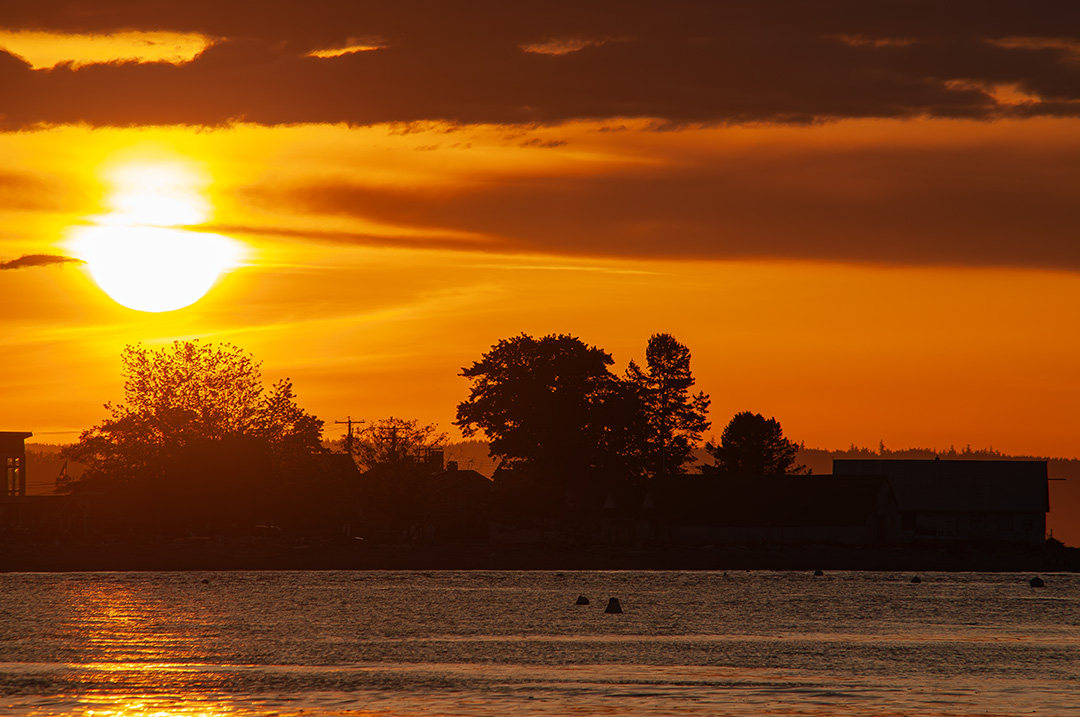
Photographing the sun taught me the importance of consistency. I started going out at sunset over and over again, sometimes in beautiful light and sometimes when it looked like nothing was going to happen. At first, I thought the goal was just to catch a dramatic sunset, but over time I realized that every walk was teaching me something.

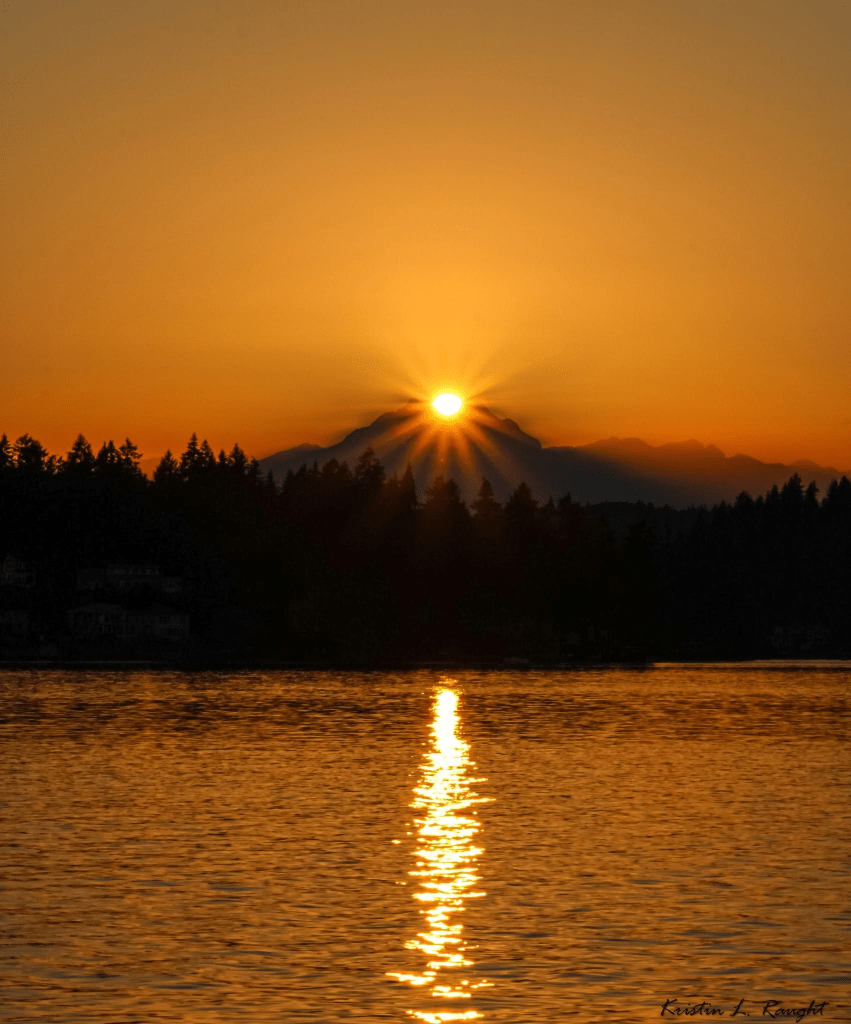
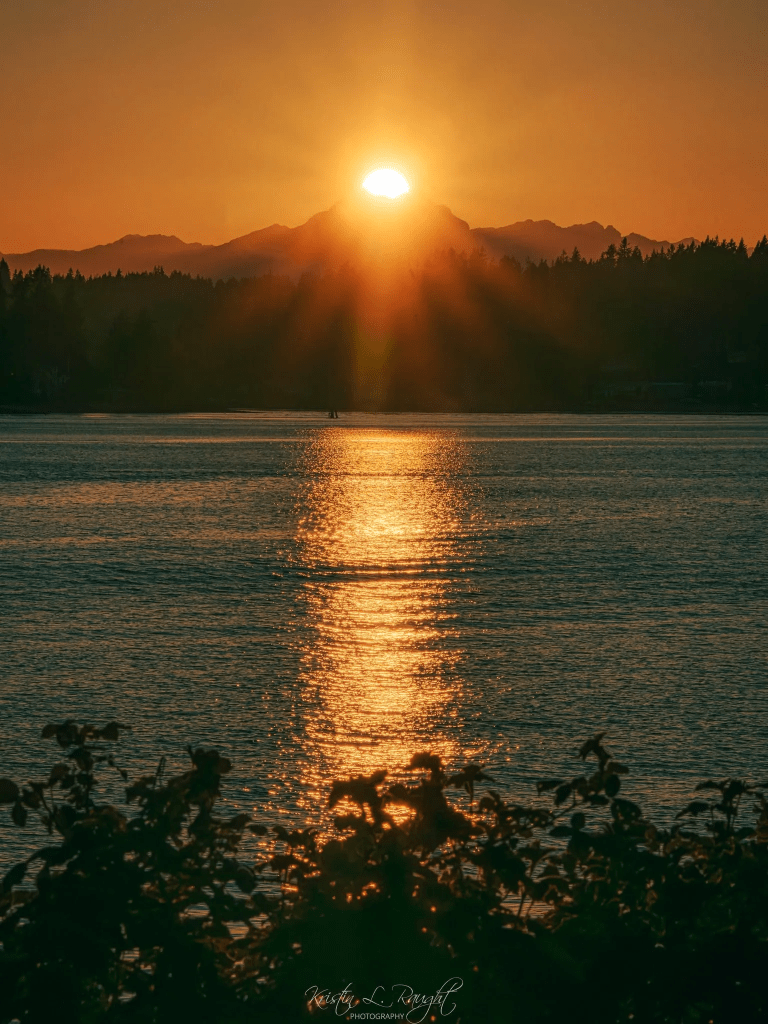
One of the images in this section is the sun setting between The Brothers in the Olympic Mountains. That photograph did not happen because I showed up once and got lucky. It happened because I kept returning to the same area, watching how the sun moved along the horizon, and learning how the light changed throughout the year. I started to understand that the sun does not set in the same place every night. It shifts with the seasons, and if you pay attention long enough, you can begin to predict when an alignment might happen.

This is also where technical choices became part of the story. To create a sunburst, I learned that I usually need a narrow aperture, such as f/16 or f/22, and it helps when the sun is partly blocked by something like a mountain, tree, building, or horizon line. The small opening bends the light around the aperture blades, creating the star shape. What looks like a magical effect is really a combination of light, timing, position, and camera settings.

This helped me see photography as a practice, not just a result. A strong image might look like luck from the outside, but behind it are all the days of showing up, watching, learning, planning, and trying again.
The Stars: Be Scared and Do It Anyway

Photographing the stars taught me that learning often means doing something before I feel completely ready. Night photography intimidated me. It meant being outside in the dark, working with settings that felt less forgiving, and trusting myself enough to try even when I was nervous.

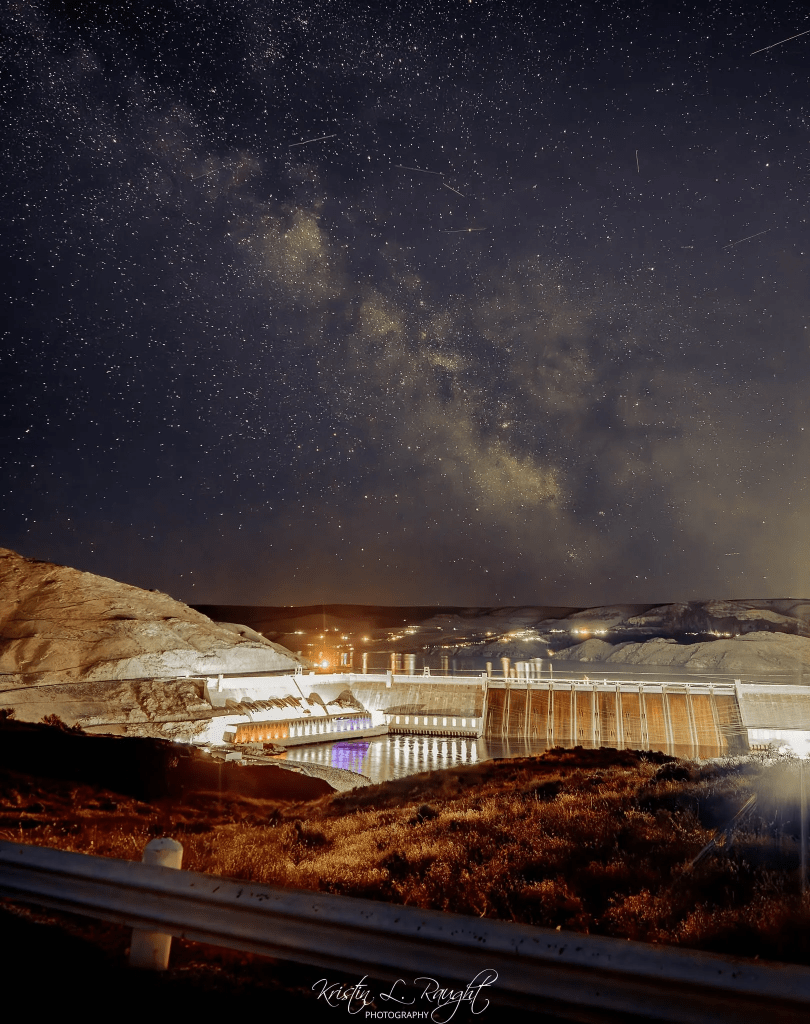
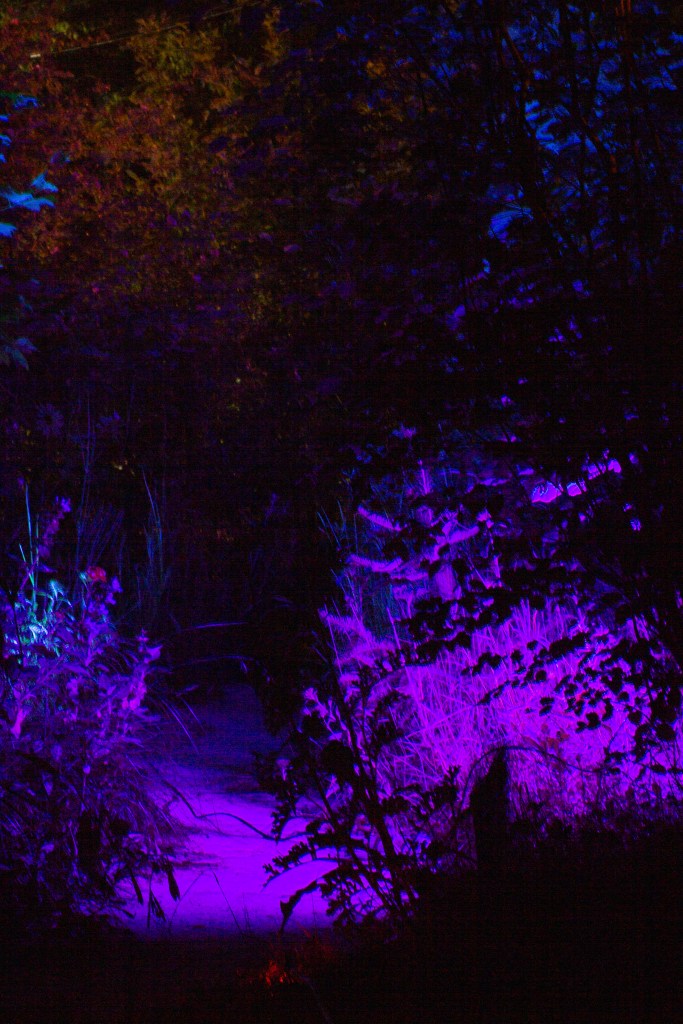
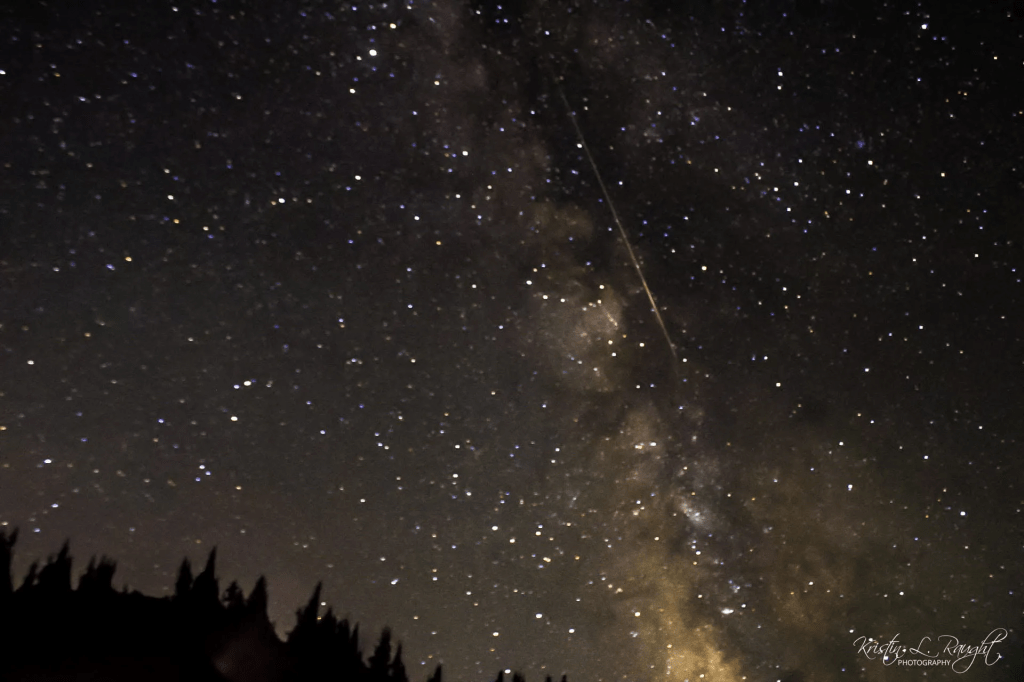
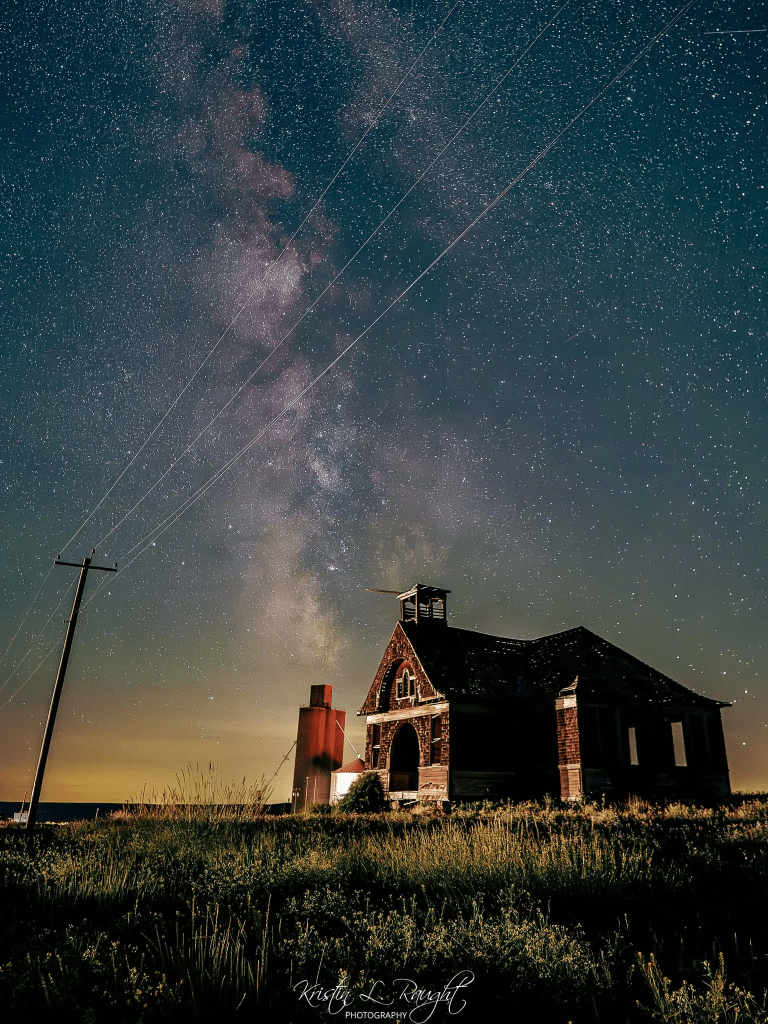
My first Milky Way photo was taken at Deer Park in 2023, and I caught a shooting star in the image. That experience stayed with me because it showed me what was possible if I pushed past the fear long enough to try. I had to learn how to work with wide apertures, slower shutter speeds, high ISO, manual focus, and the patience it takes to photograph something I could barely see with my eyes.

Photographing stars is different from photographing the moon because the stars are much dimmer. For the moon, I often need to protect the highlights because it is so bright. For stars, I need the camera to collect as much light as possible without leaving the shutter open so long that the stars turn into trails. That usually means using a wide aperture, a higher ISO, and a shutter speed short enough to keep the stars looking sharp.

This is where ISO started to make more sense to me. Aperture and shutter speed control how much light the camera actually collects, while ISO controls how strongly the camera amplifies the signal from that light. In night photography, the signal is often weak, so raising the ISO can help make the stars visible, but it can also make noise more noticeable.

The stars taught me that confidence does not always come before the photograph. Sometimes confidence comes after. Each time I go out and try something difficult, I build a little more trust in myself and in what I am capable of learning.
The Edit: Learning to Trust My Own Vision

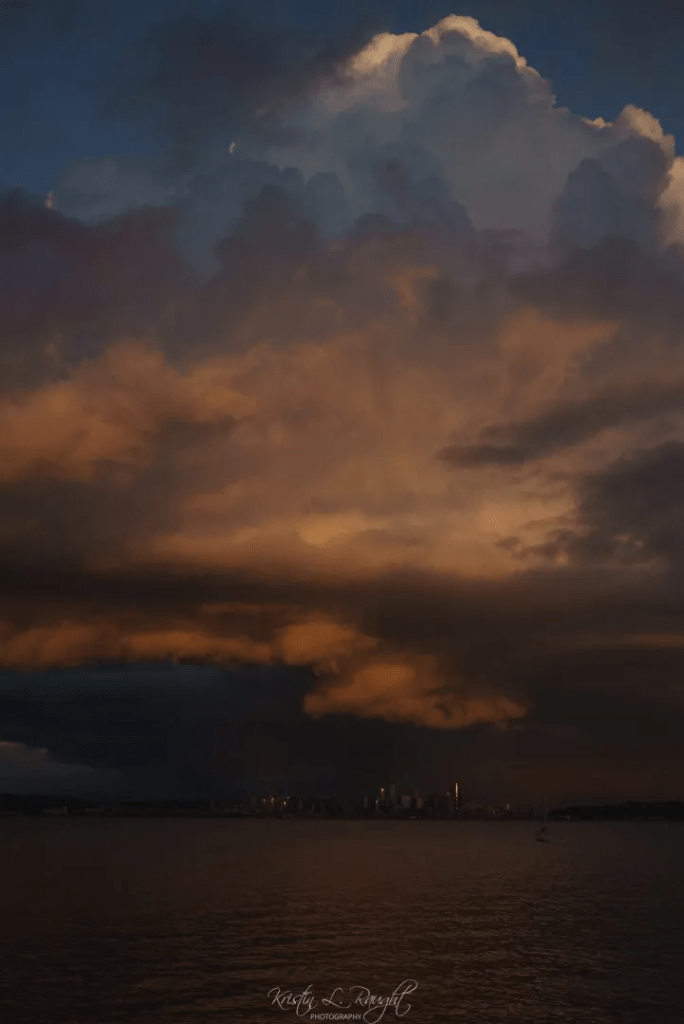
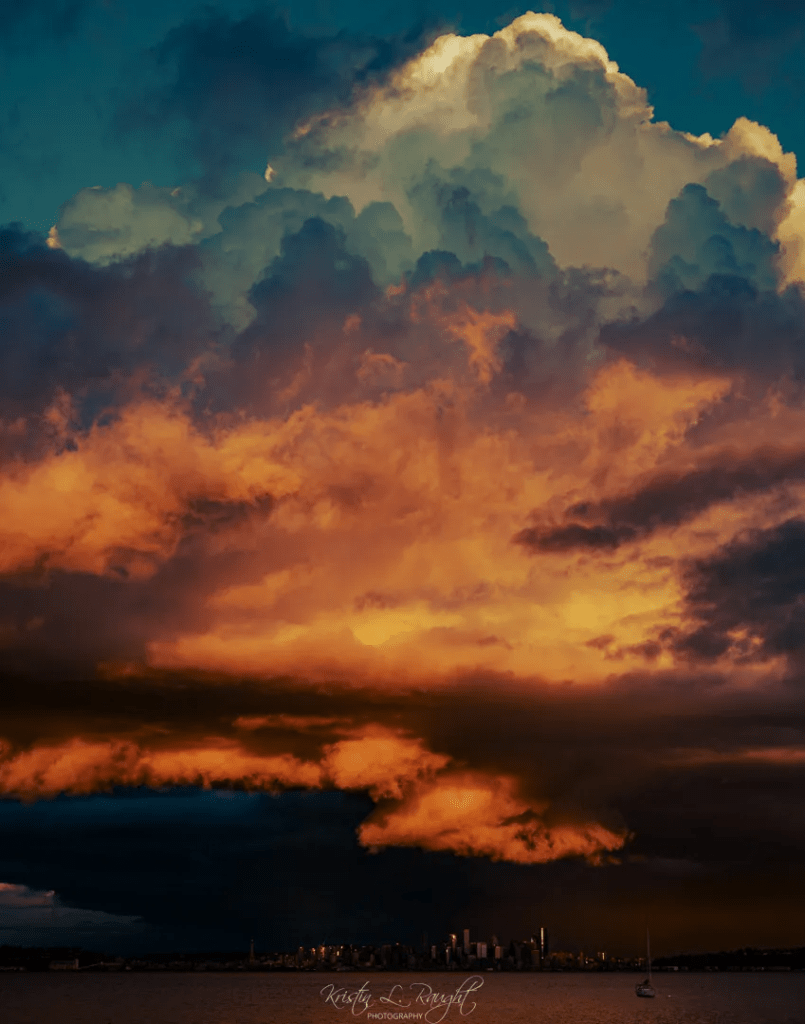
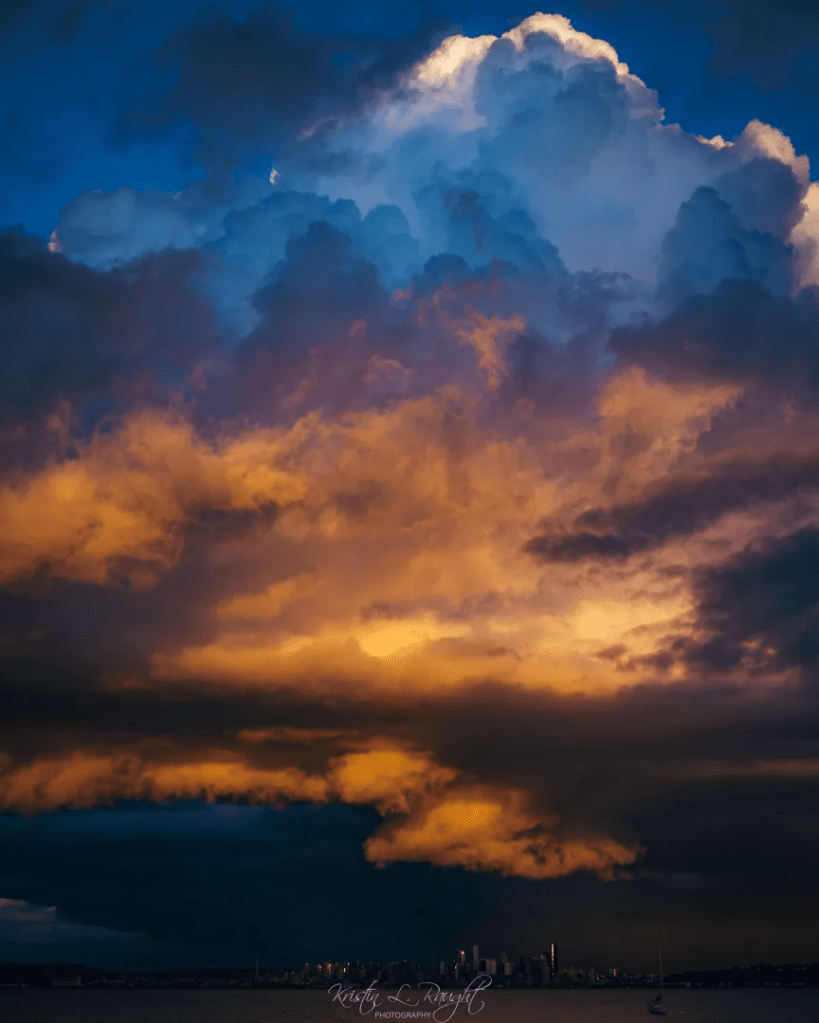
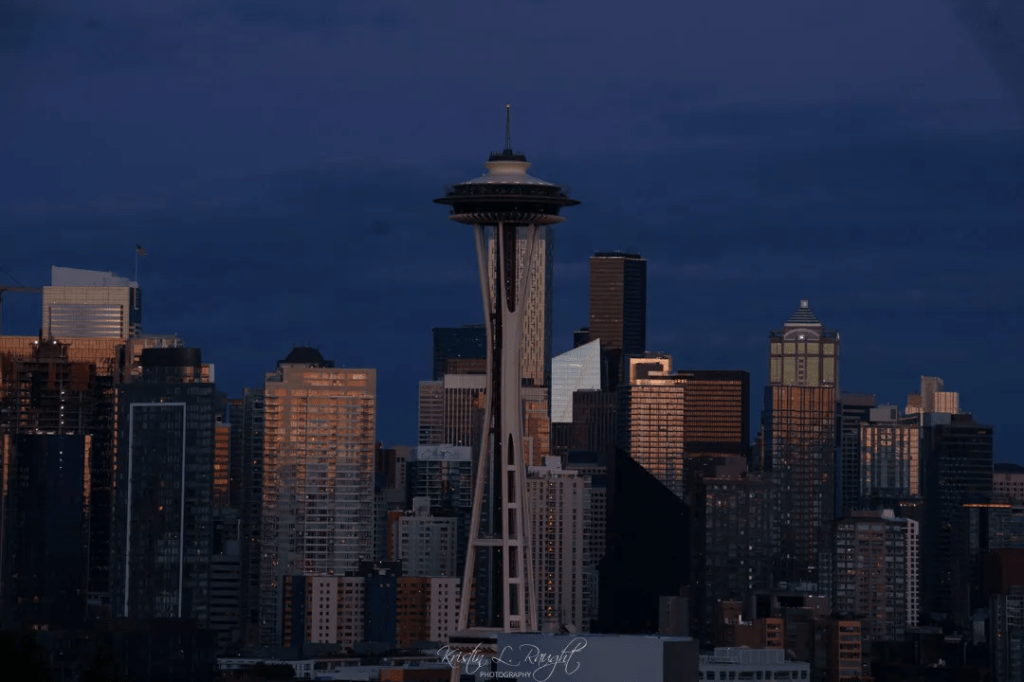
Editing taught me that a photograph does not end when I press the shutter. The camera records information, but I still have to decide how I want the final image to feel. For a long time, I was afraid of pushing an edit too far or making choices that other people might not understand. I wanted my photos to look “right,” but I was still learning what right meant for me.

Over time, I started to understand editing as part of my photographic voice. When I edit, I am not only correcting exposure or color. I am choosing what to emphasize, what mood to create, and how to bring the image closer to the vision I had in my mind when I took it.

That has been one of the biggest changes in my photography. I am learning to trust my eye, my memory of the moment, and my own creative instincts. Photography is technical, but it is also personal. The settings help me capture the image, and the edit helps me communicate what I saw and how I felt.

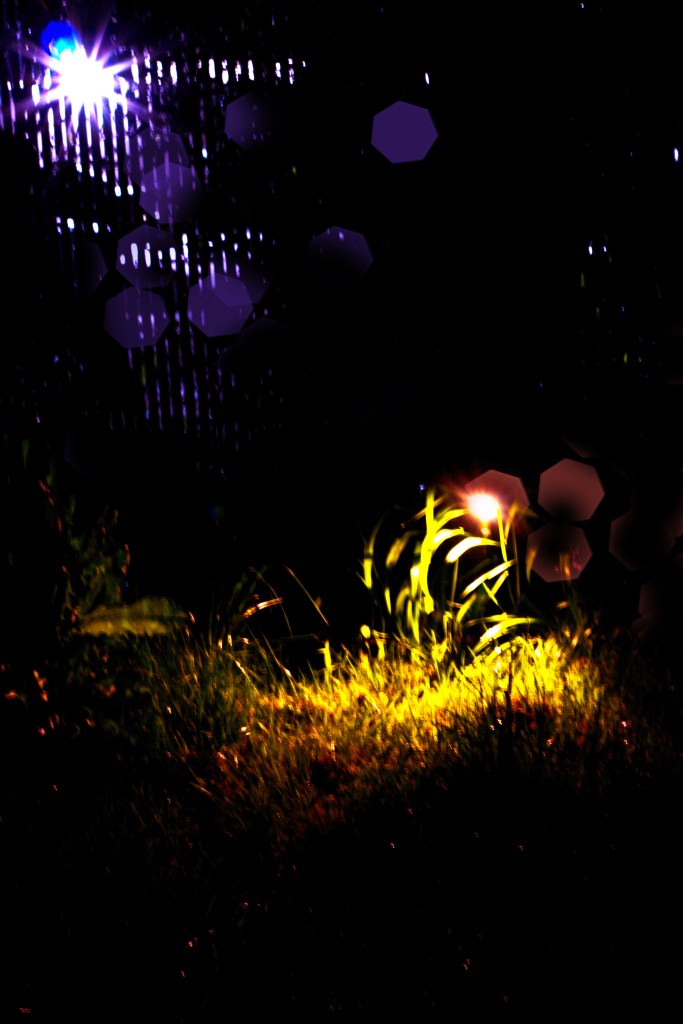
I also like to go back to photos that stand out in my memory and edit them again after some time has gone by. I was going through a phase where I put intense color grading on all of my photos and I am gradually coming out of that phase.
https://www.facebook.com/kristin.raught.37625/#
https://www.instagram.com/kristinlraught

https://bsky.app/profile/kristinlraught.bsky.social

A story about moving

This is a story about moving away from your home.

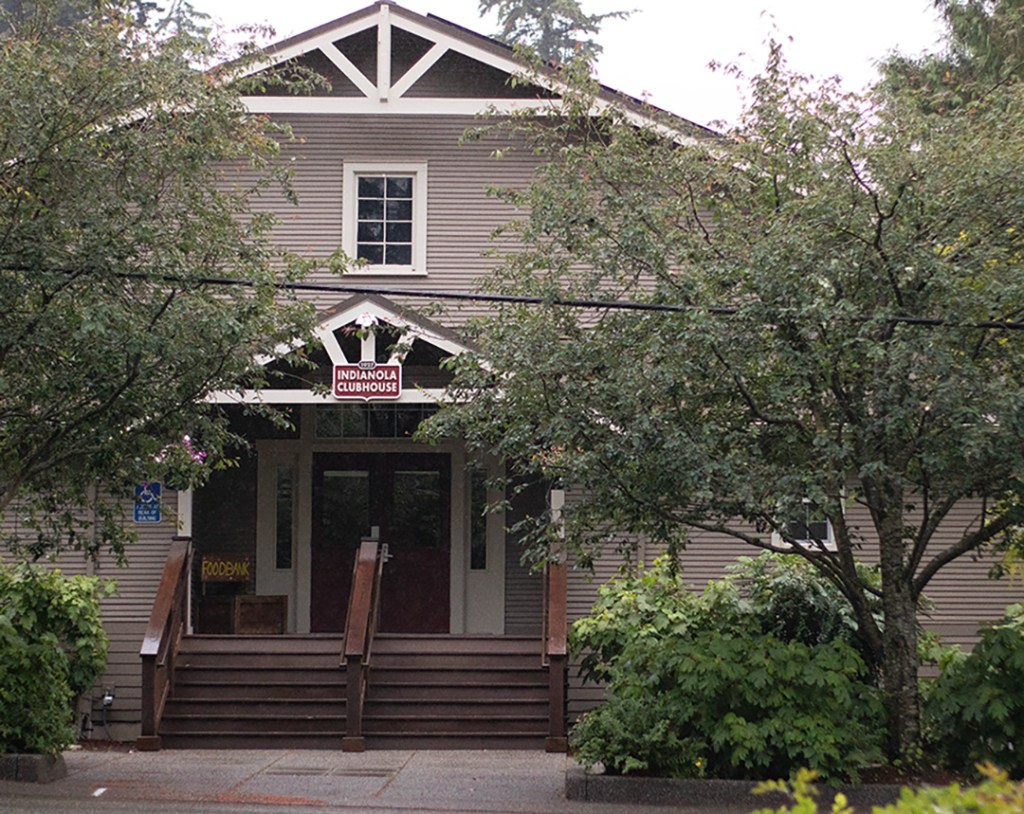
This is the building where all the activities happen in the town. The Christmas party and the Halloween party. The easter egg hunt and the 4th of July celebration.

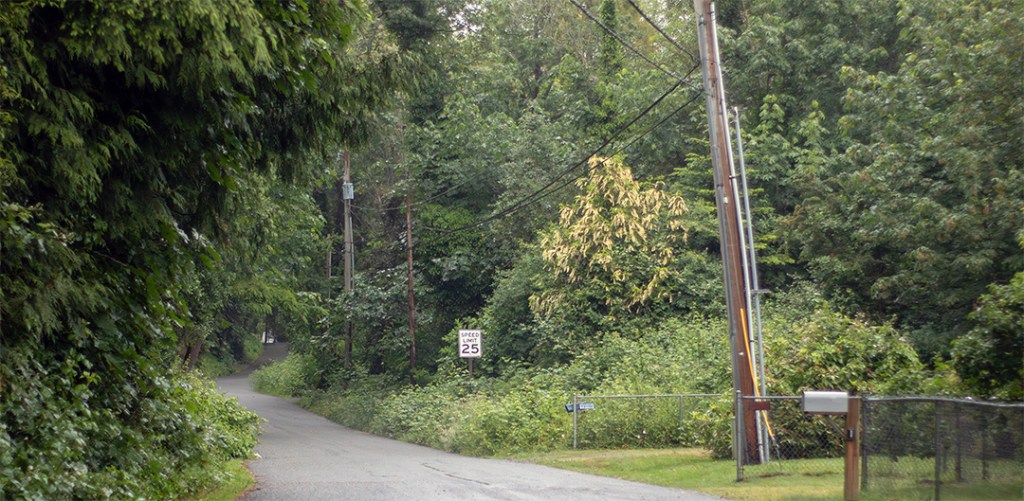
This is the road that I took every day to walk down to the beach.

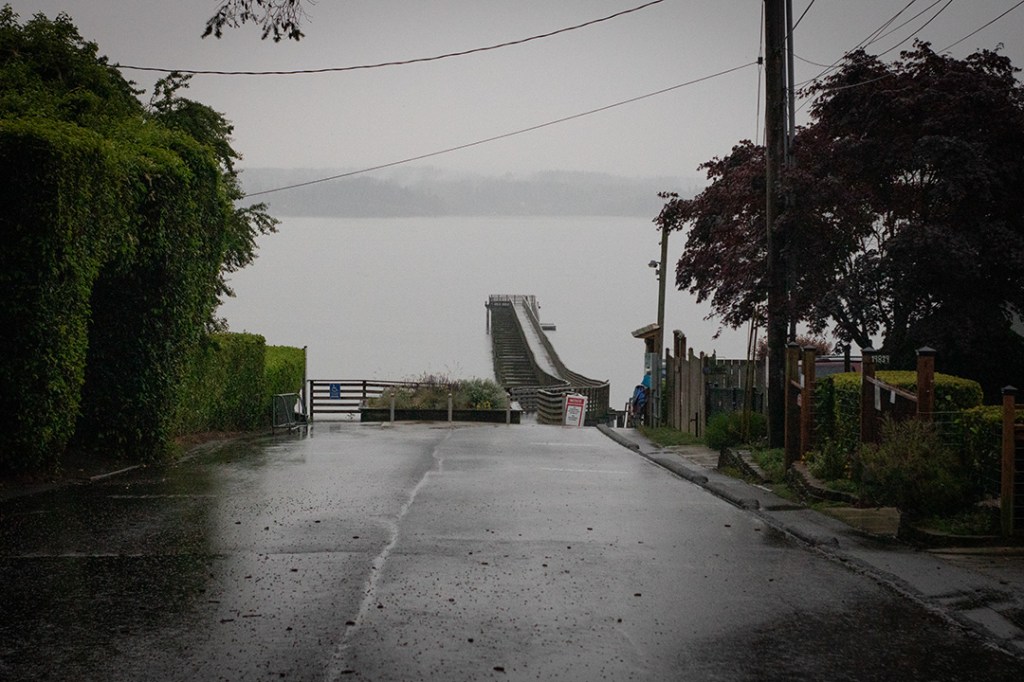
This is the beach and the dock in the town. The foggy, rainy atmosphere of the photo helps represent what it was like living there most of the year.

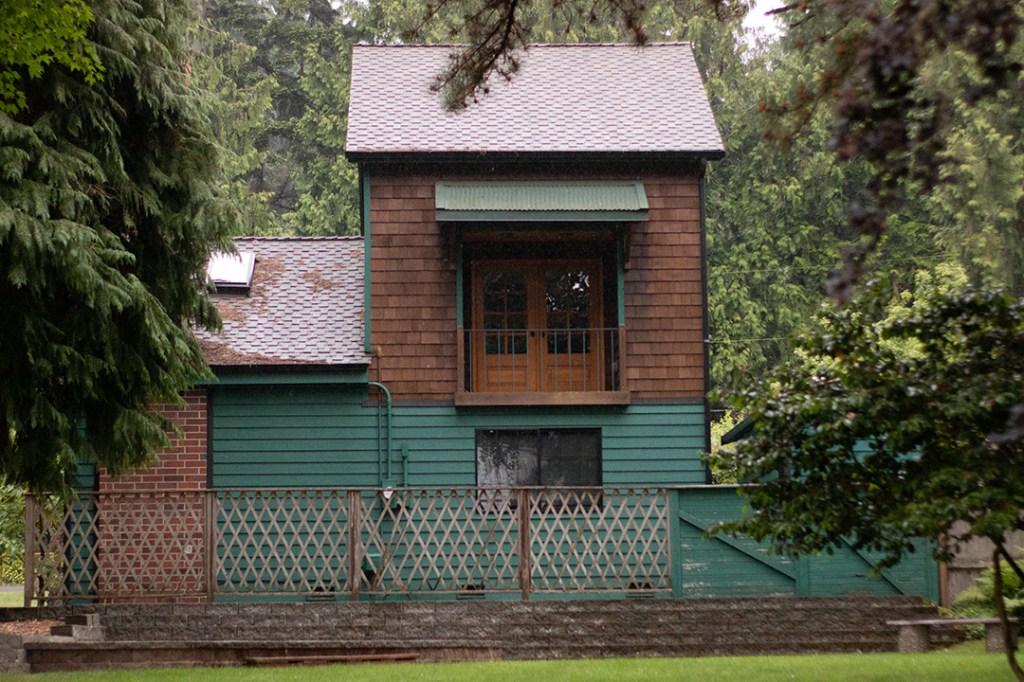
This house is very important to me because we would play in their yard all the time. They have a very large lawn, and when it was nice out, the talent show would be hosted here as well.

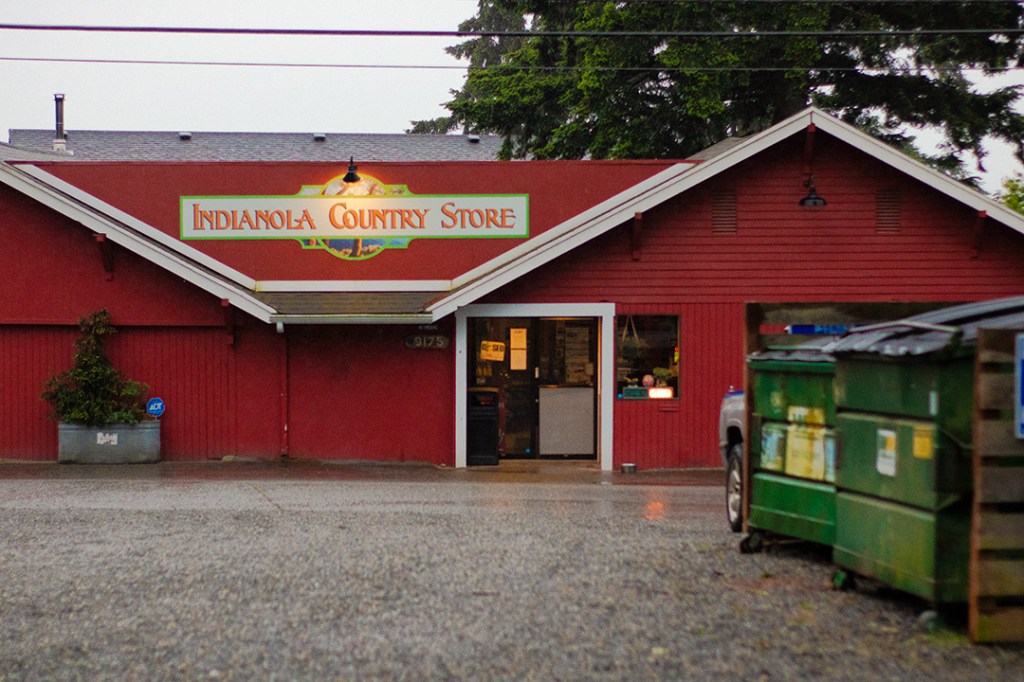
This store is the heart of the town. It is a cozy spot to get away from the rain and they have the best food in town. There is a picnic table out back where many fun times were had.

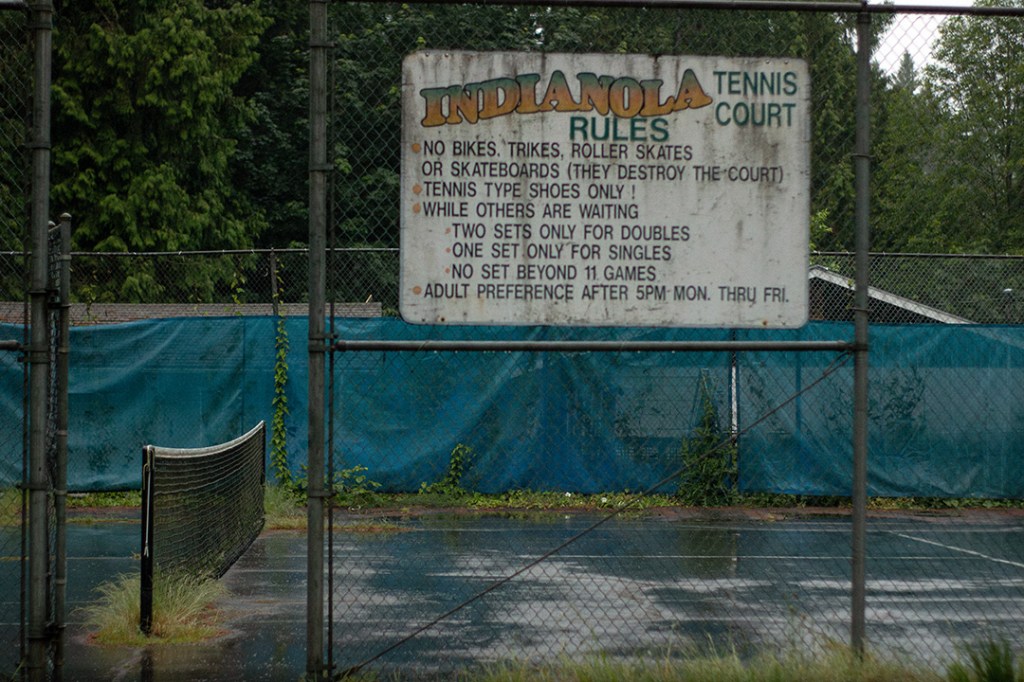
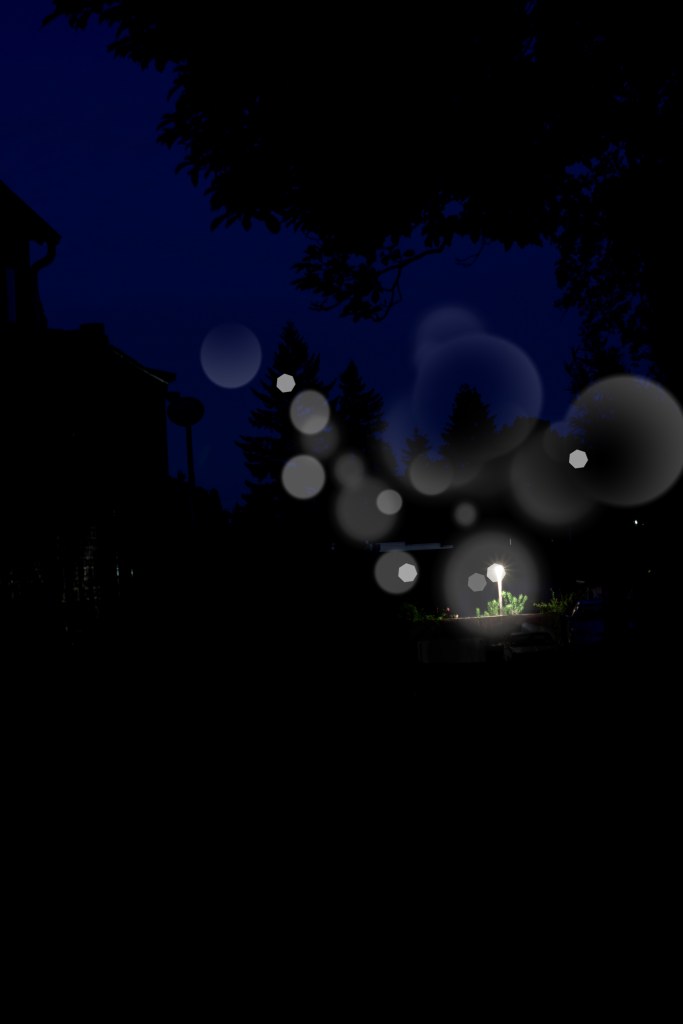
This is where I learned to play tennis. I spent many summer days here. The overgrown feel of the court nowadays is very representative of how it does not get used much anymore. The dark atmosphere of the photo, combined with the dirty sign, makes it seem like it is abandoned and out of commission.

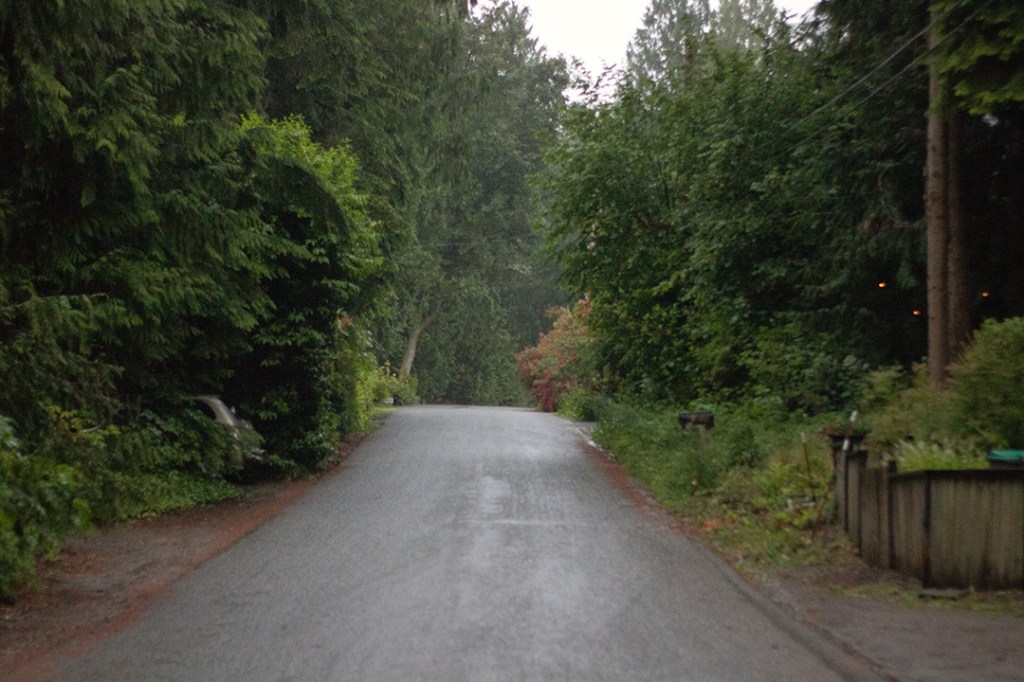
This is the road towards my pre-school and the bus stop where I got picked up every day for 10 years. It is very sentimental to me.

Thank you for watching my presentation.

DMA 136 – Storytelling with project portfolio and oral presentation

Ruben Gifford

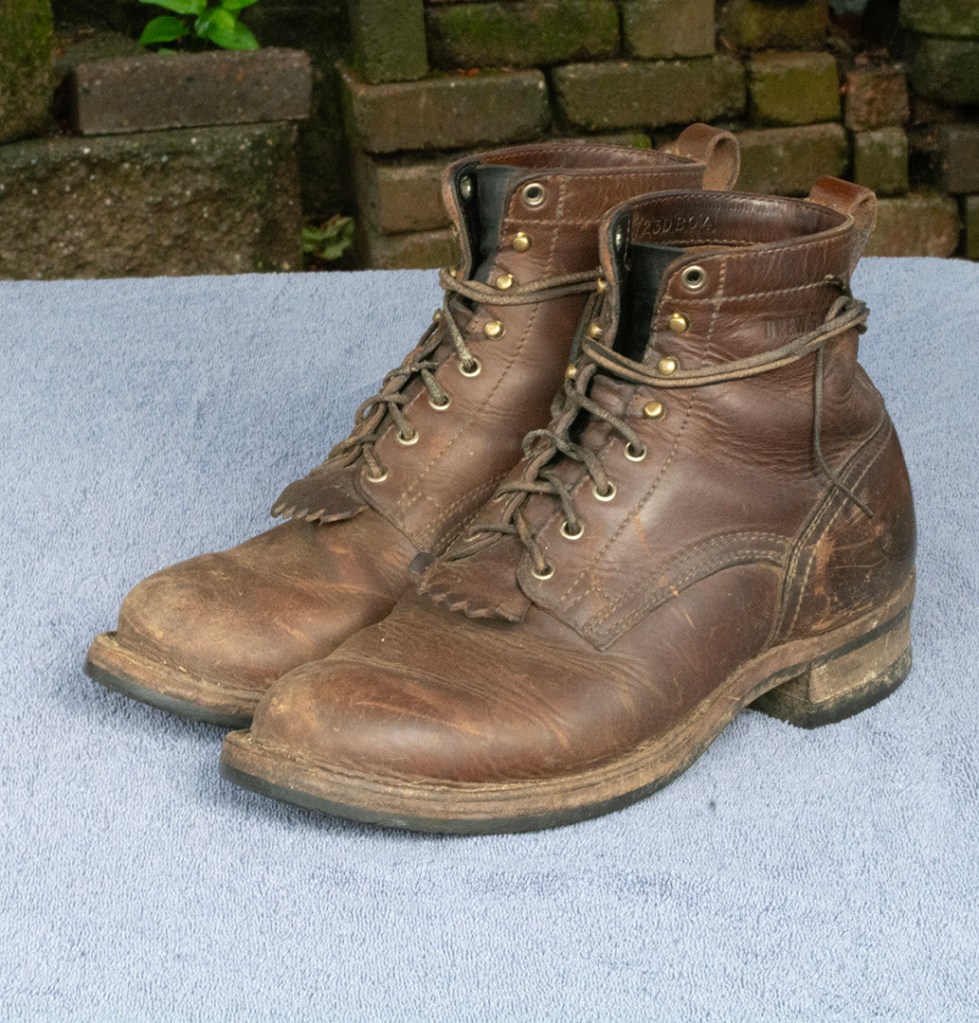
Hello, my name is Ruben Gifford. One of my goals in taking this class was to learn how to take better pictures of my boot collection. I’ve been working since I was 16, and I learned early that having good footwear is important. One factor is that I have super wide feet, and almost all production shoes don’t really fit. Which makes me a total boot nerd!

All the photos of my life have been taken on my cell phone, and after this class, I plan on changing that. My boots have been with me every step of the way. They stand as a record of everything I have done. 

“Clothes make the man. Naked people have little or no influence on society.” – Mark Twain


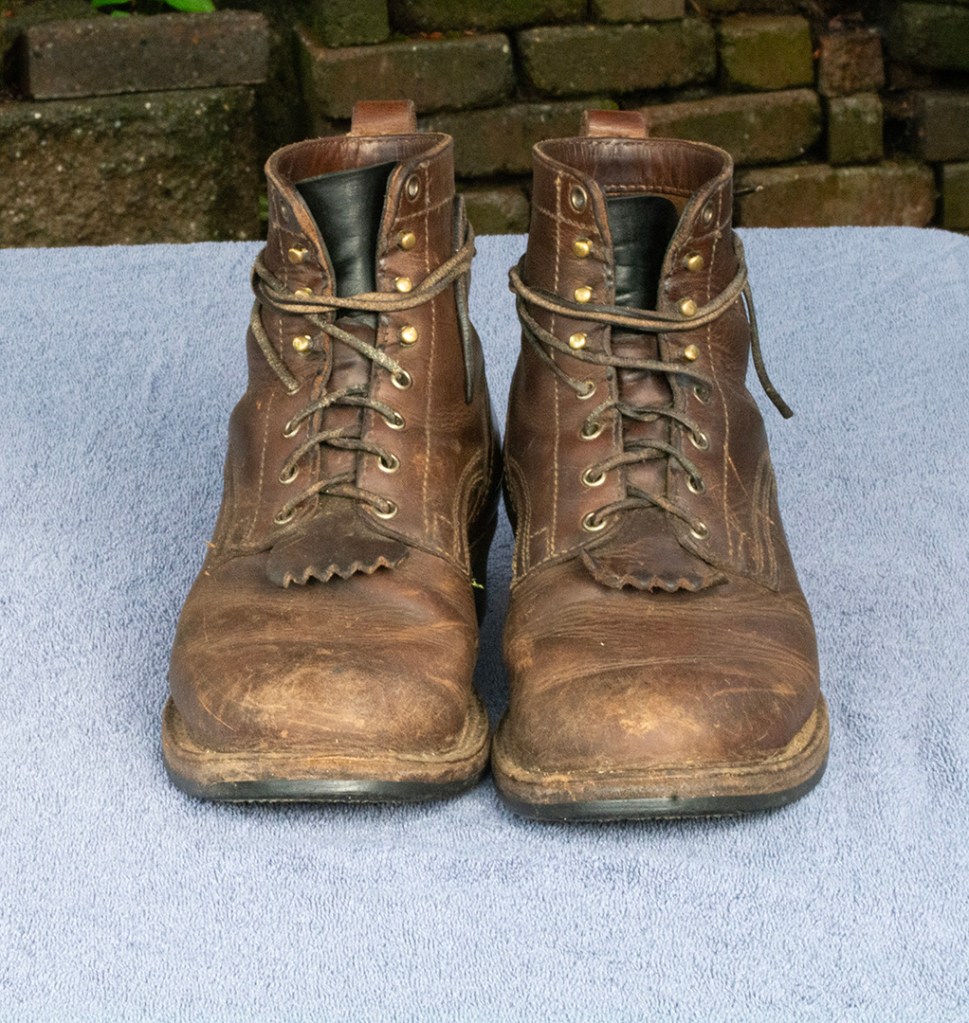
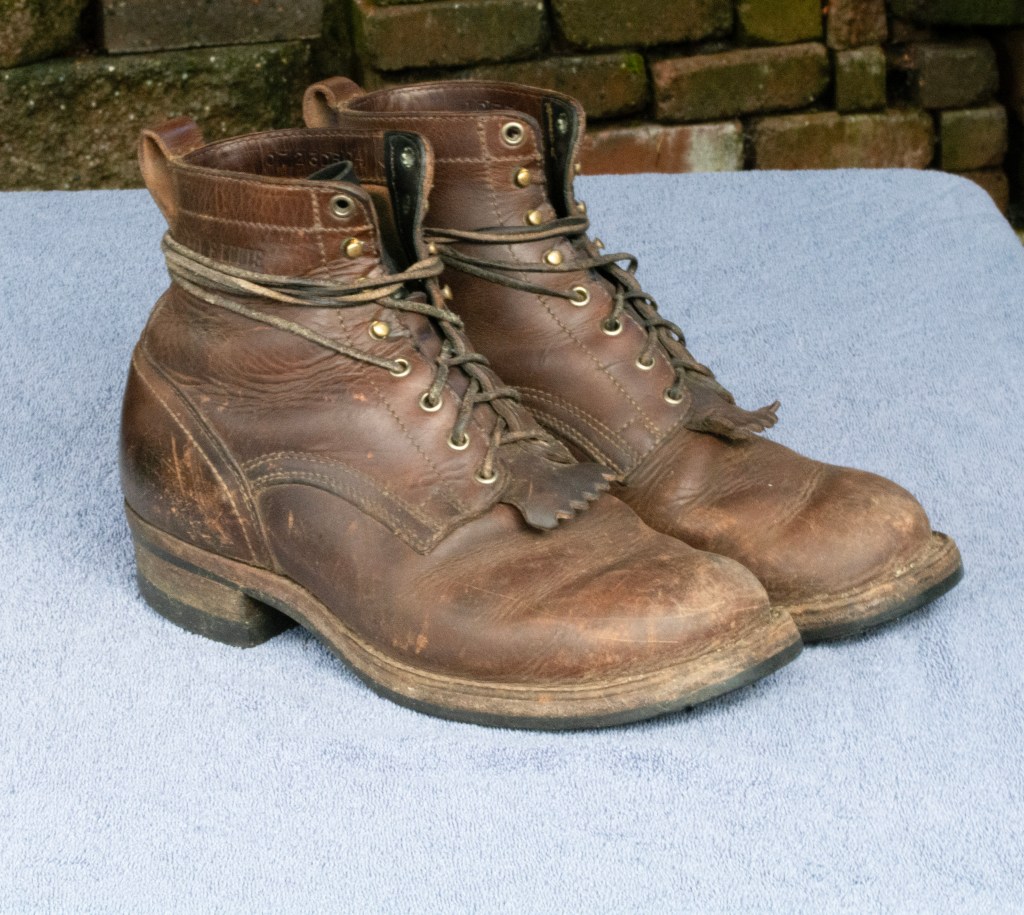
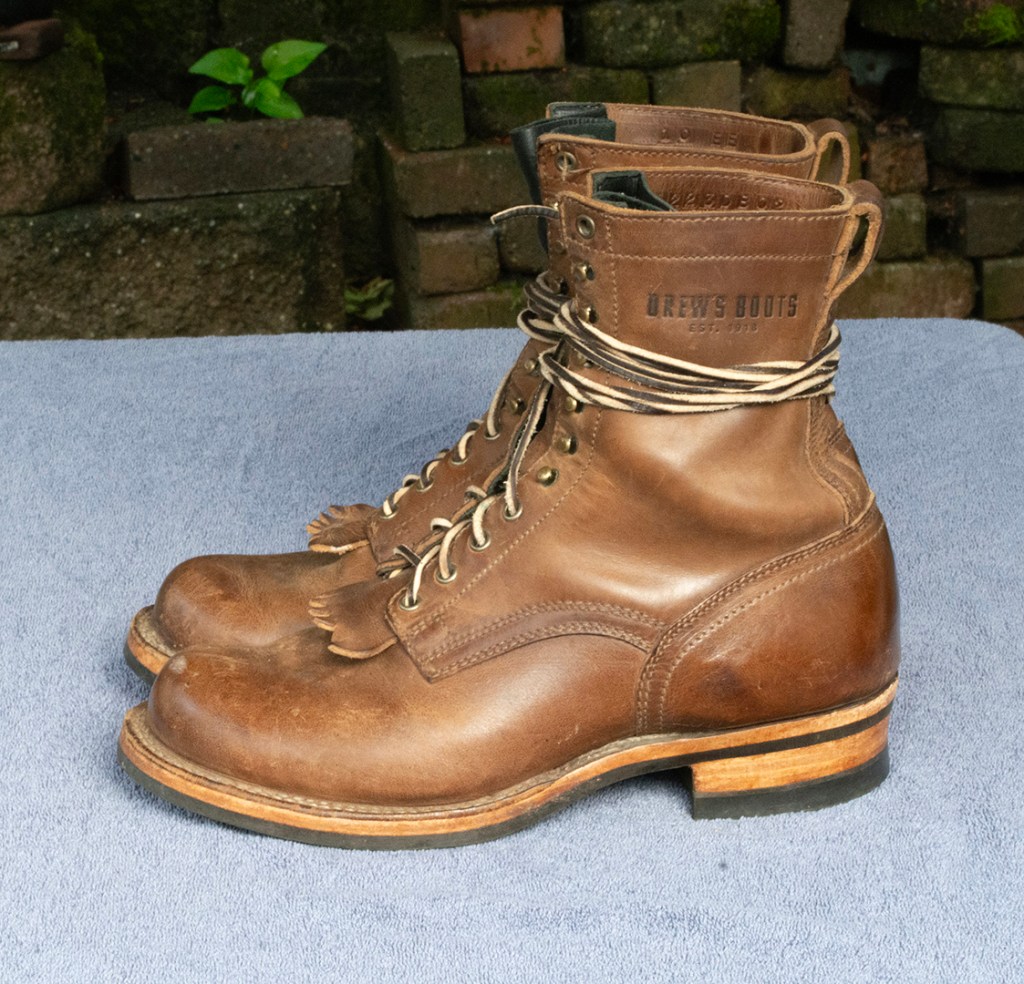
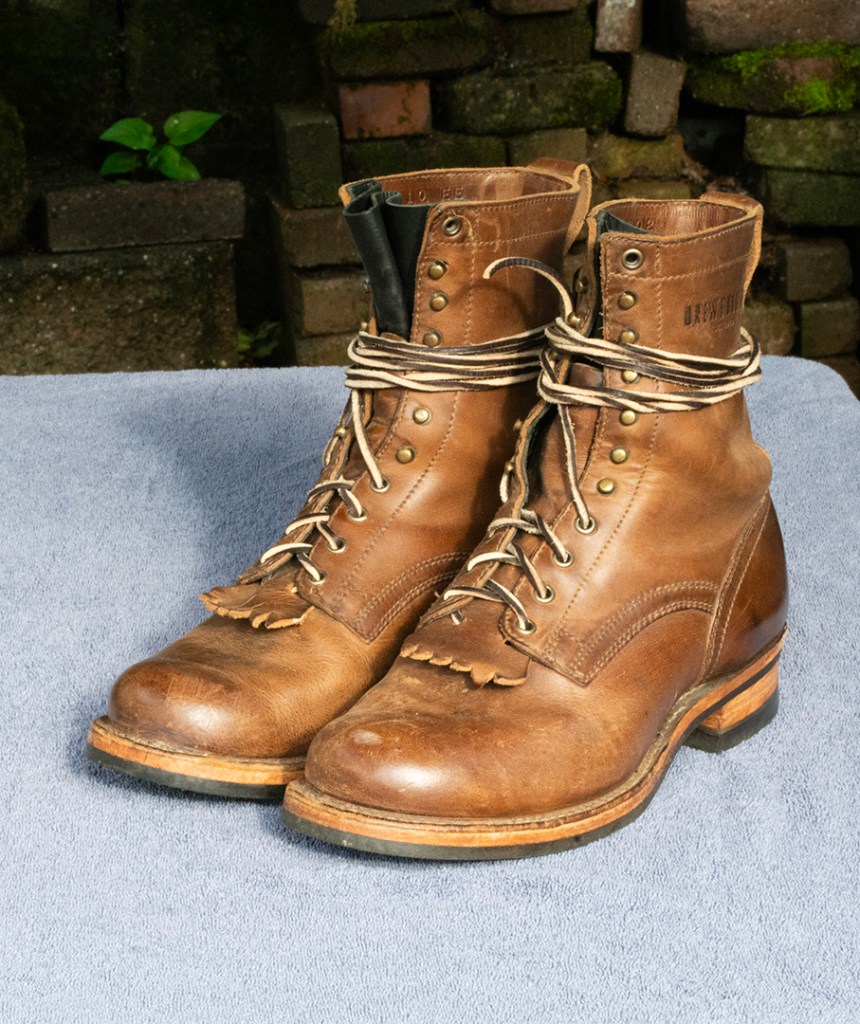
These are my “do everything” Farm boots. Almost everything I’ve done over the 5 years on the farm has been done in these boots. We have 11 goats, 4 dogs, and around 200 birds. I build, clean, feed, mow the grass, etc. The list is endless; there is always something that needs doing on the farm!


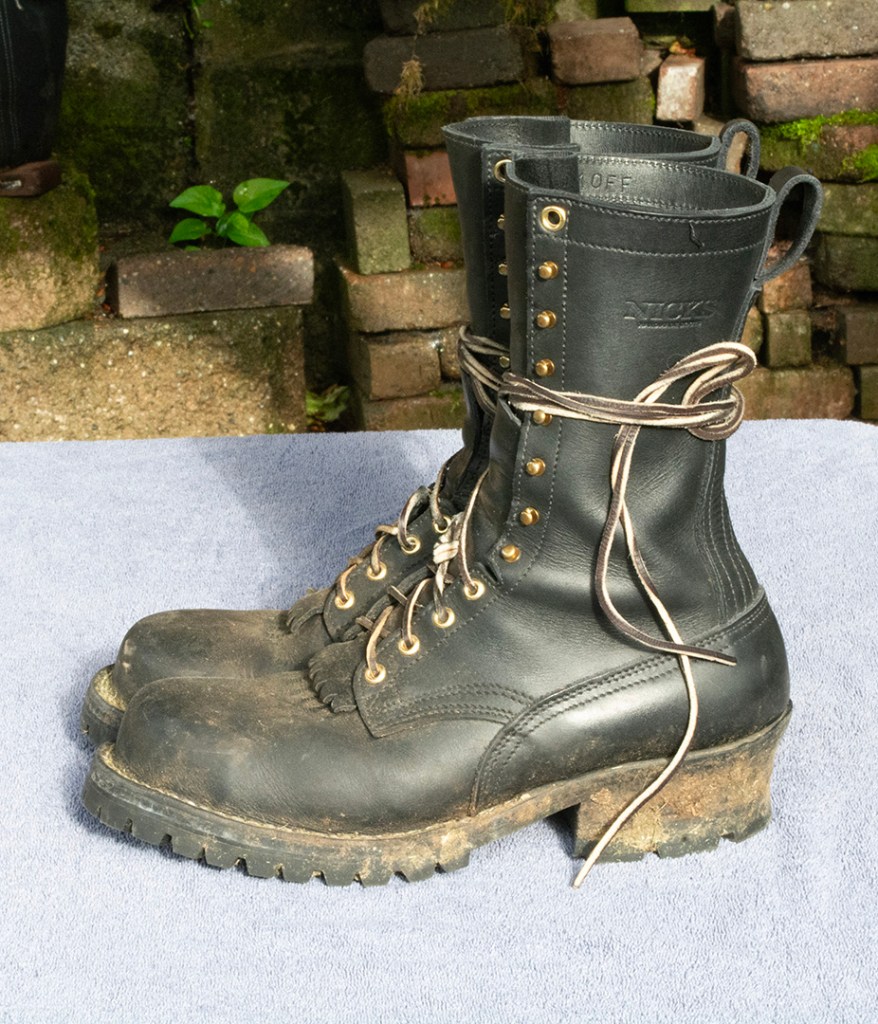
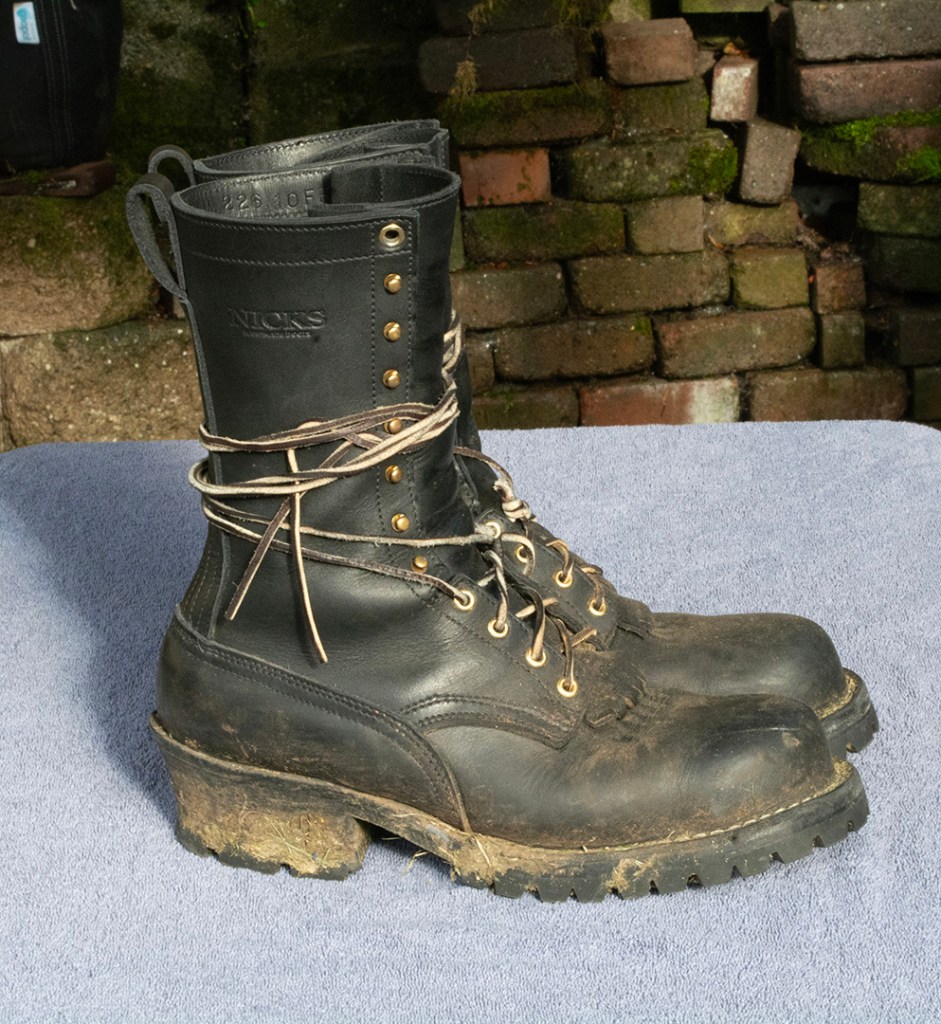
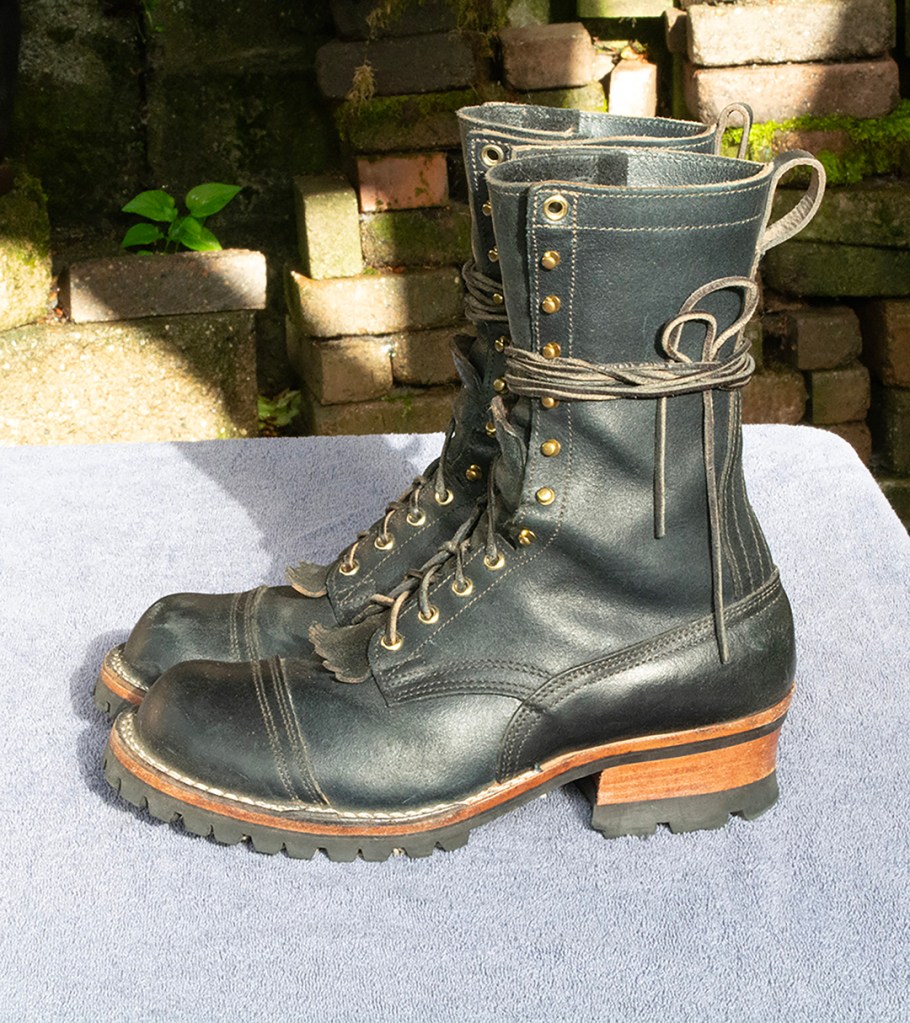
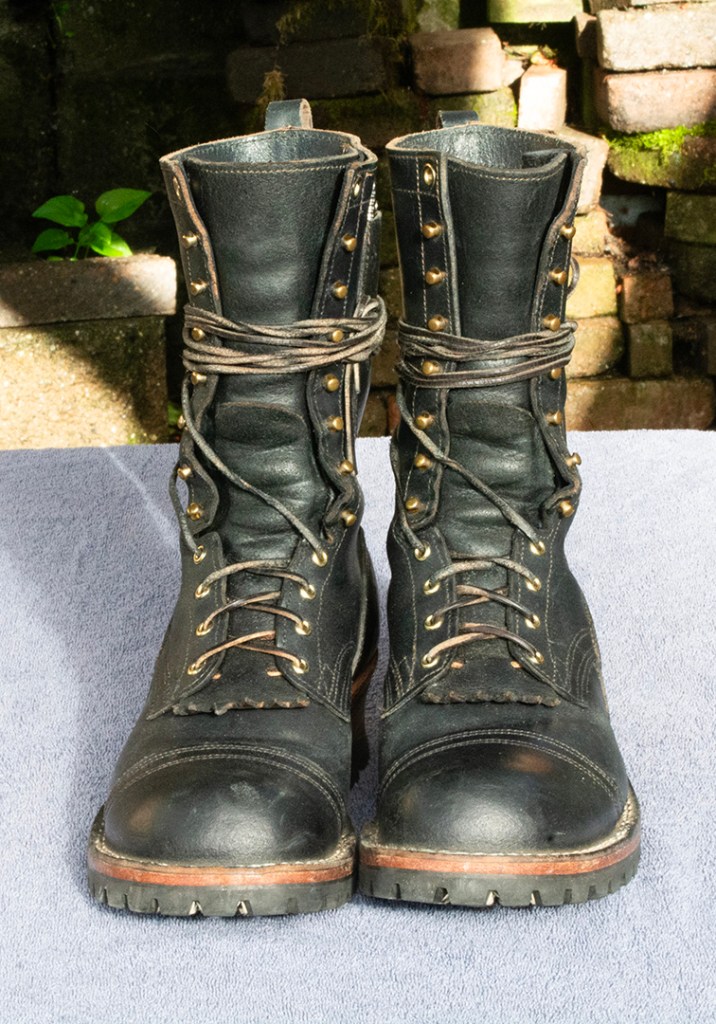
These are my heavy-duty/welding boots. I have been welding for about 13 years now. I do a little blacksmithing and various metalwork. These boots have been to Alaska twice for contract work.


These are my “Date night / Nice” boots. I try to keep these clean and use them when I dress up. I’m married and have known my wife for 32 years.  I wore them to my son’s high school graduation and to his Naval basic training graduation.


These are my “Grail” boots. I won them after I entered a contest while Christmas shopping two years ago. I wear them pretty much any time I have fun, hiking with my dogs, or going to a concert with my boys from college. 


In boots is how I choose to interface with the world, and no matter what the future holds, I will confront it wears my boots.

Adventures in Nature by Jeanne S.

Inspiration:

I find inspiration for my photographic projects while exploring wild places with my dogs. During these walks I discover the settings and materials for my work. I enjoy working with a wide variety of natural materials. I create sculptural components with these materials in order to embed my models into the landscape. This work allows me to express my deeply held belief that we humans are part of the natural world. Here are a few samples of my work:

Trees of distinction:

A couple of years ago I discovered a stretch of beach near my home in Port Townsend where a significant wash away occurred perhaps 50 years ago. A storm dramatically eroded the wooded bank that runs along the beach, and the trees along this bank have been adapting in interesting ways ever since. I was stunned when I discovered this place, and I have been documenting it ever since. The trees are telling a story of their resilience. Some of these trees have become the sites for my photographic projects. I visit these trees often. I feel like they are my friends in a way, as I am so familiar with them now, and I enjoy their presence so much. So I decided to feature them in this final project. It made sense to me to take their portraits.

I hope that the story of my adventures and work in nature will continue to unfold for many years to come. It’s been a beautiful journey so far.

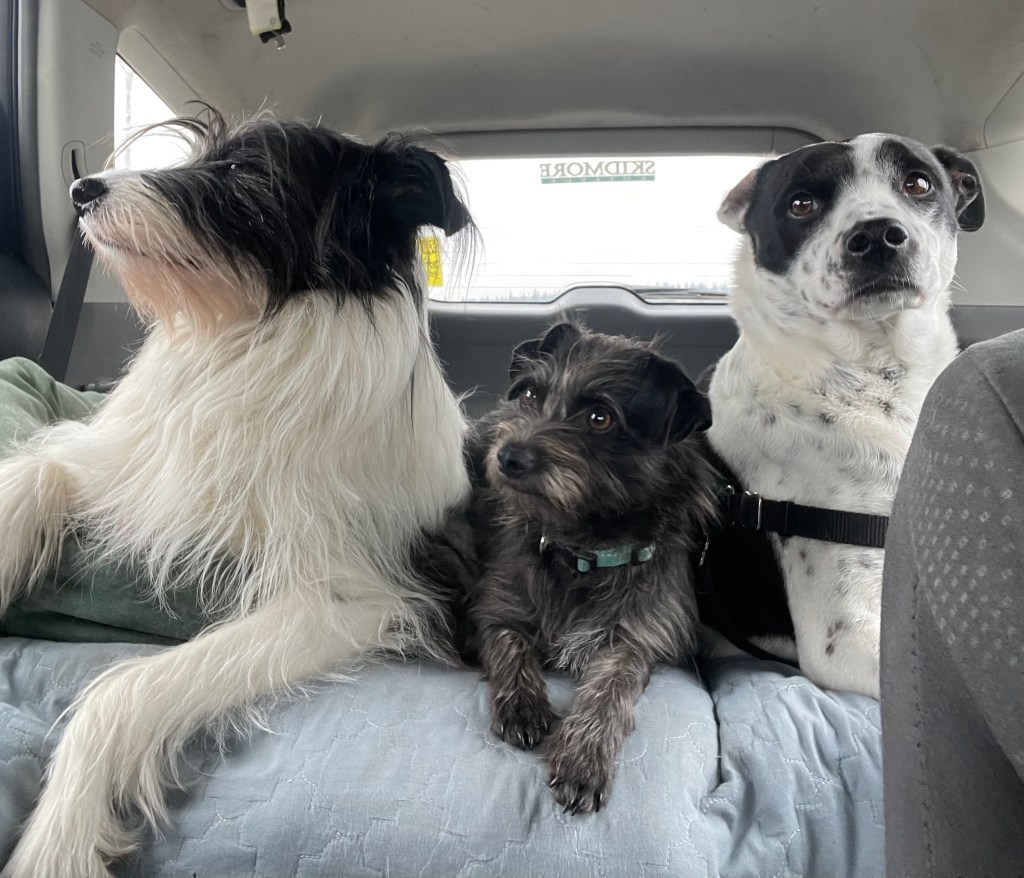
This story wouldn’t be complete without a picture of my dogs, three rescue mutts from Tijuana. Their names are Lucy, Pickle and Winnie.

Taking a Look at Life

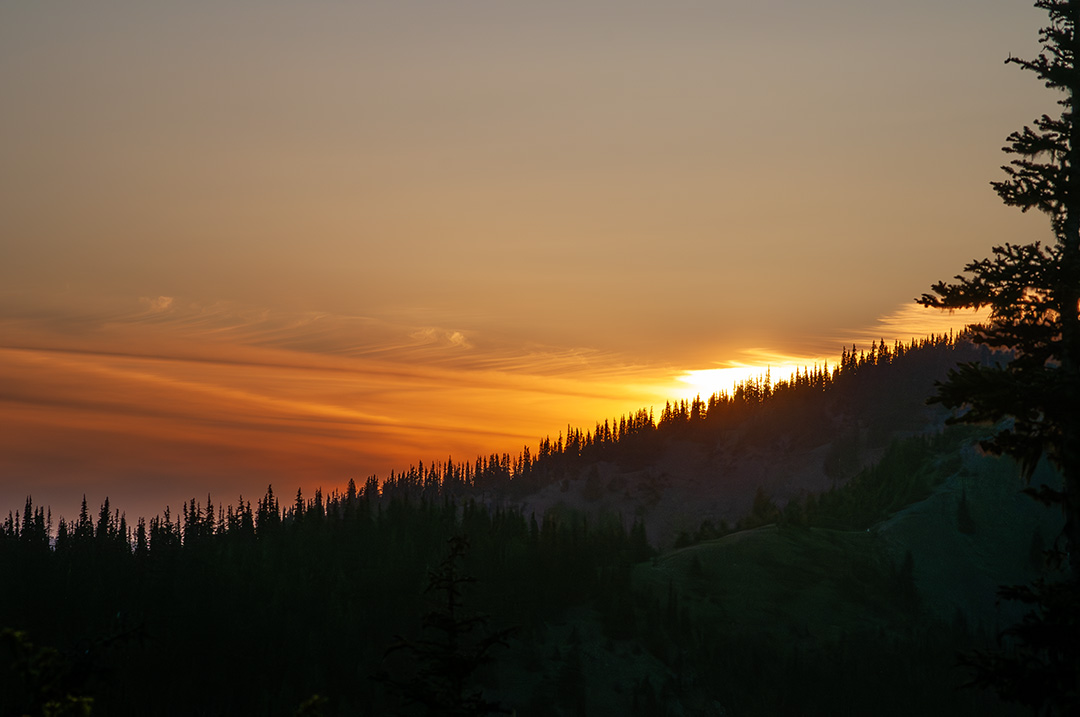
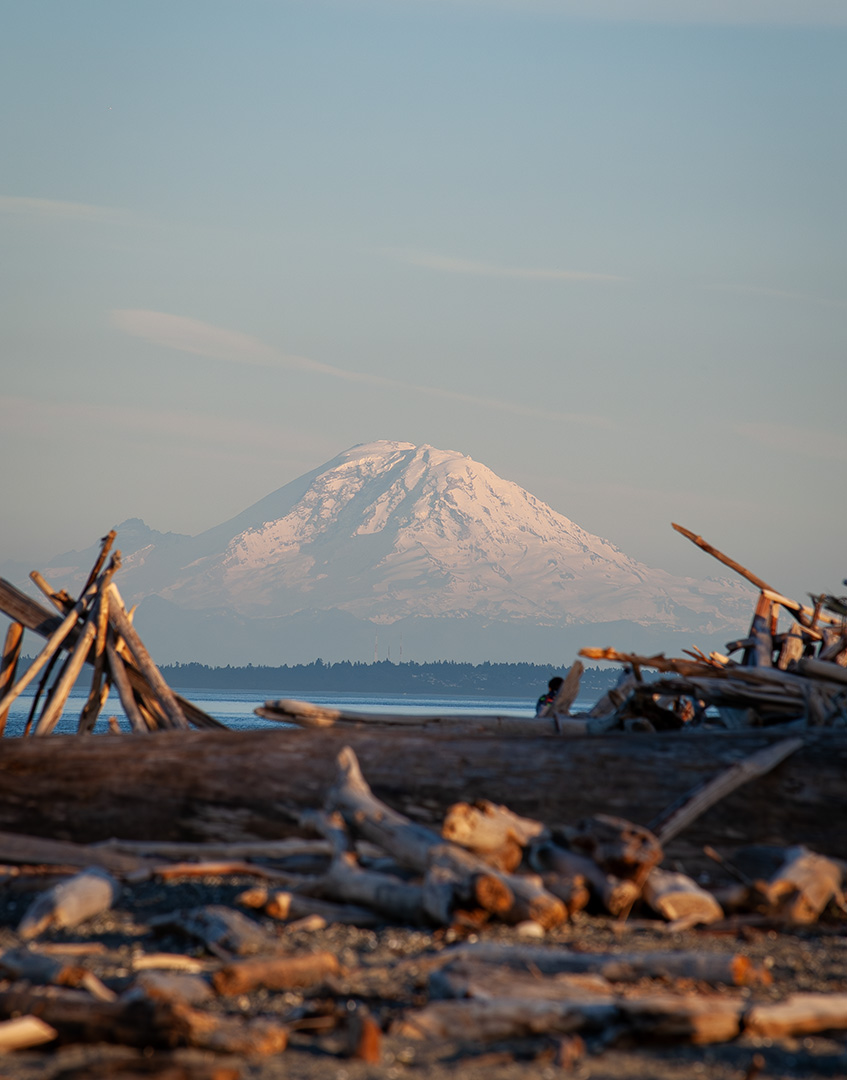
Some of my favorite moments happen when I step outside and embrace a sense of adventure. Whether I’m exploring a new trail, watching the sunset from a mountain ridge, or simply taking in the beauty of nature, being outdoors reminds me how much there is to discover. These photos reflect not only the places I’ve been, but also the way I choose to experience life with curiosity, appreciation, and a willingness to explore.

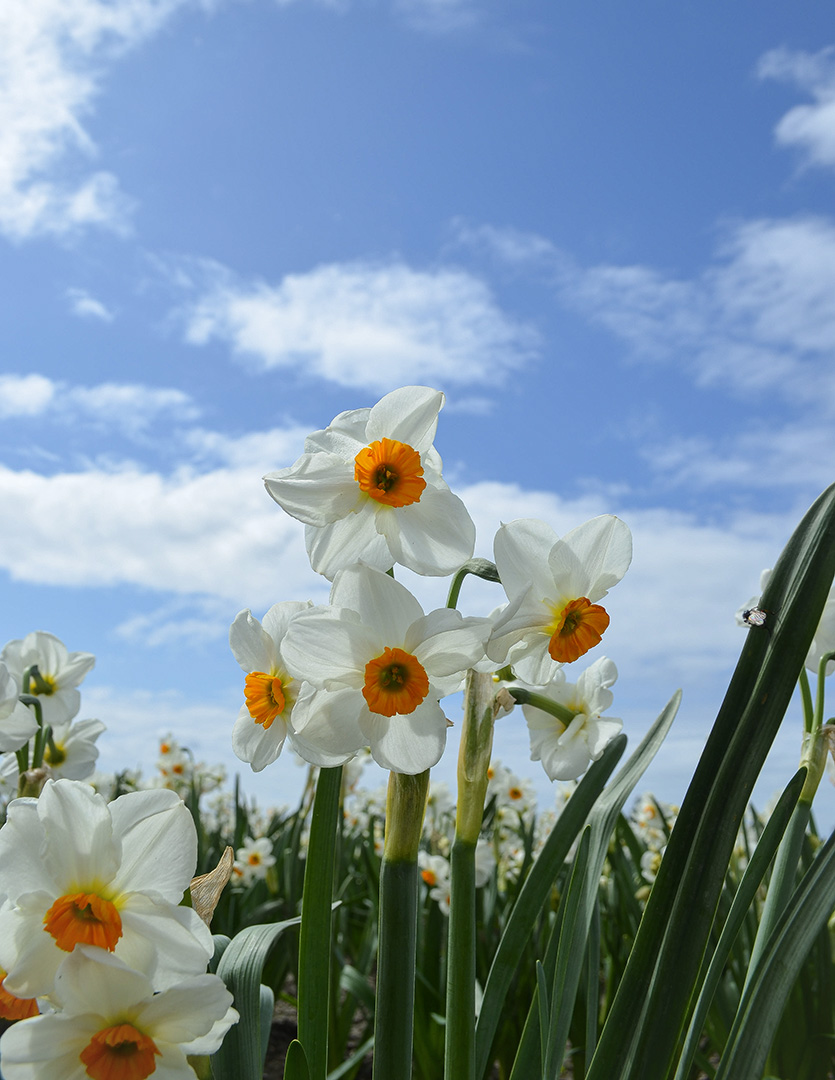
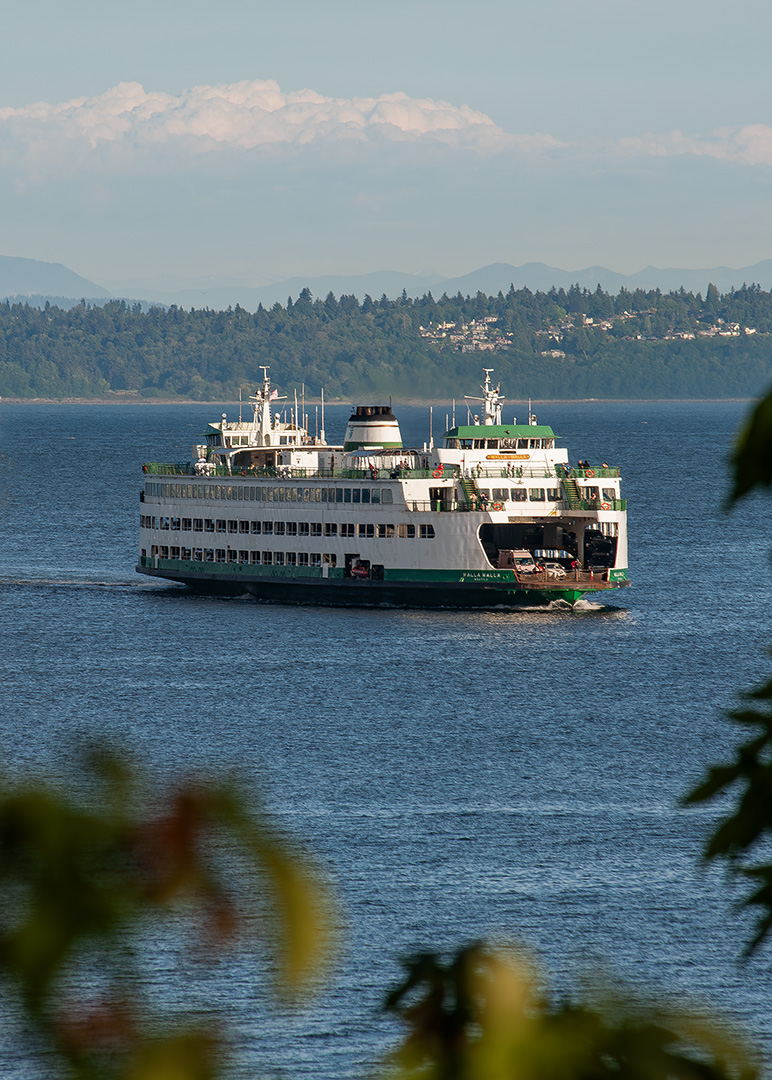
Some of my favorite memories come from being outside, surrounded by nature, and taking the time to appreciate what is around me. These moments help me slow down and see life from a different perspective. From mountain landscapes and colorful sunsets to blooming flowers, forests, and ferries crossing the water, each image captures a different moment that stood out to me. Together, they tell the story of someone who enjoys exploring and appreciating the world around them.

The title “Taking a Look at Life” is important because these photos show how I view the world. I try to stay curious, appreciate the little things, and make the most of every opportunity. Life moves quickly, but these images remind me to enjoy the journey, embrace new experiences, and never stop exploring. Through my adventures and the memories I capture along the way, I am constantly learning more about both the world and myself.

These images also remind me that life is about more than just reaching a destination. It is about enjoying the journey, noticing the small details, and appreciating the opportunities to explore. To me, taking a look at life means staying curious, embracing adventure, and finding something meaningful wherever I go.

Alton Clark.

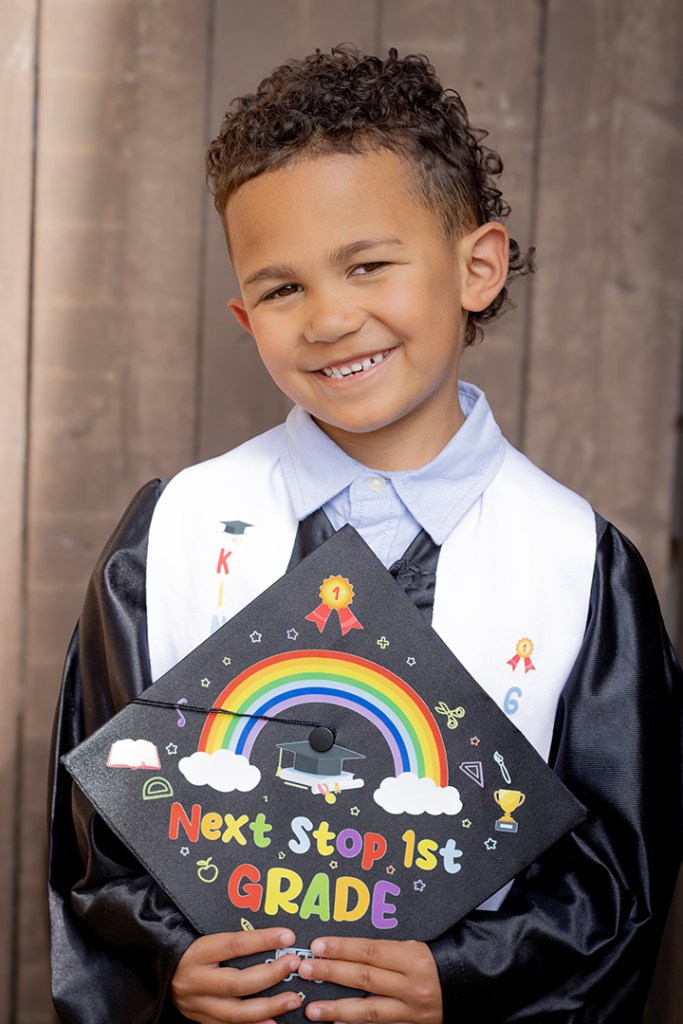
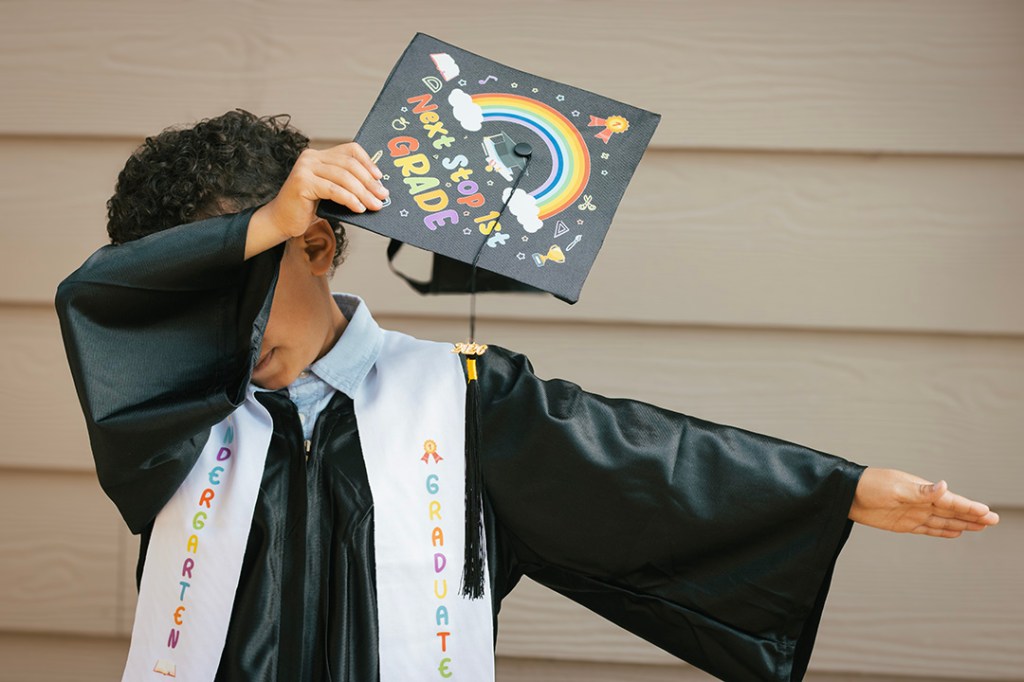
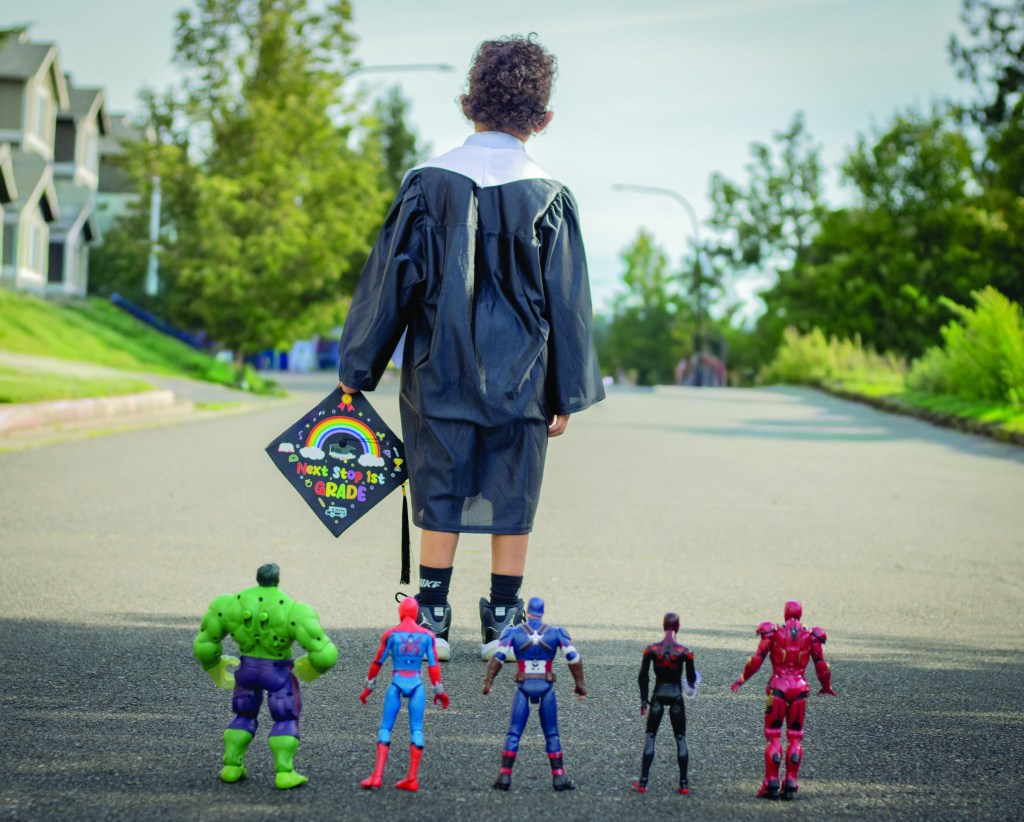
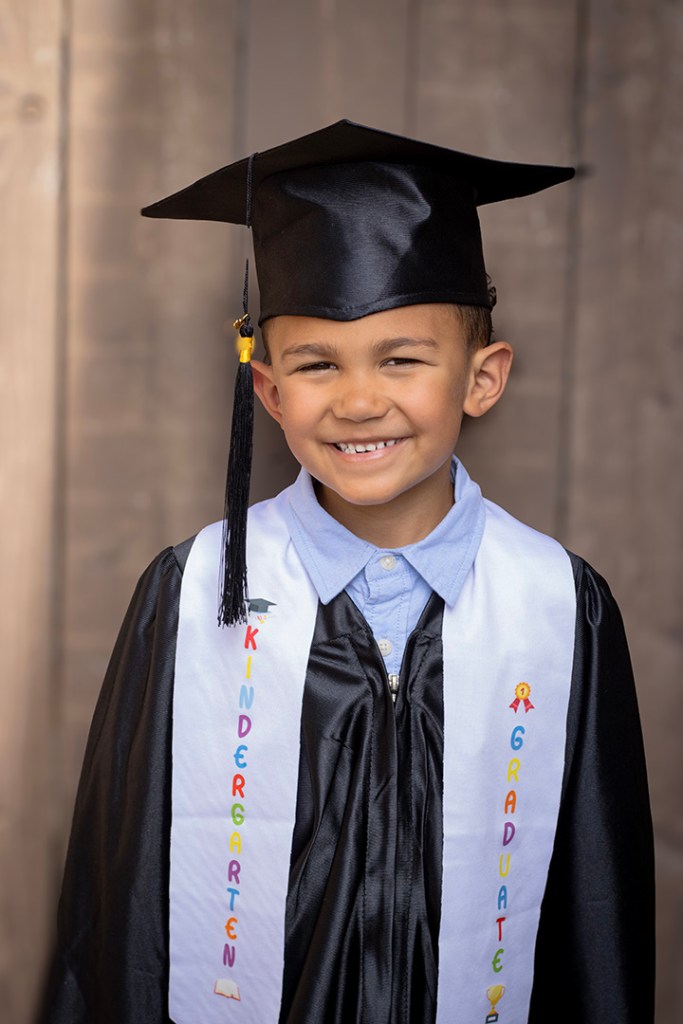
Next Stop First Grade (storytelling with project portfolio and oral presentation.)

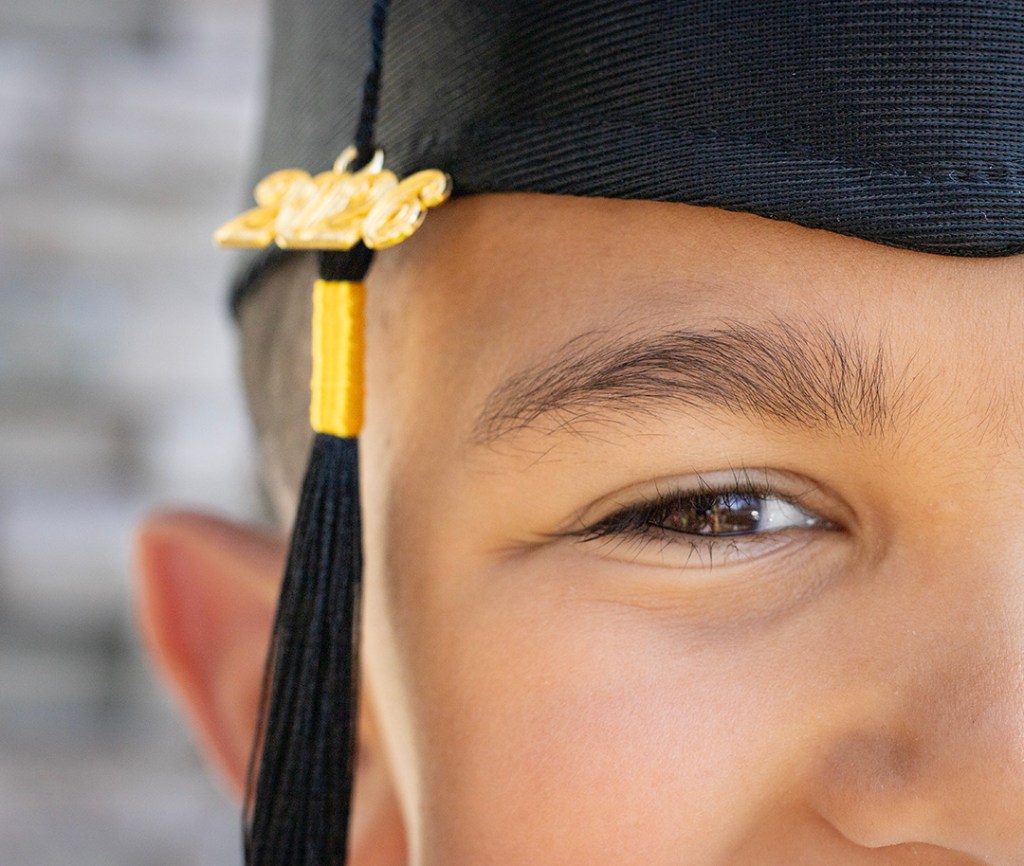
We all grow up and grow old through life. There are so many big milestones in life from birth, your first steps in life, to first words. Then it becomes your first kiss, your first car and graduation into adulthood. Adulthood is a whole other journey. This story isn’t quite there yet. My middle child has just finished Kindergarten and is on to first grade. That’s two down and one more to go next year. One of the reasons I’ve always loved being behind a camera. I love capturing memories to look back on.

Ronald King III (Tre) My middle child is definitely going places in life.
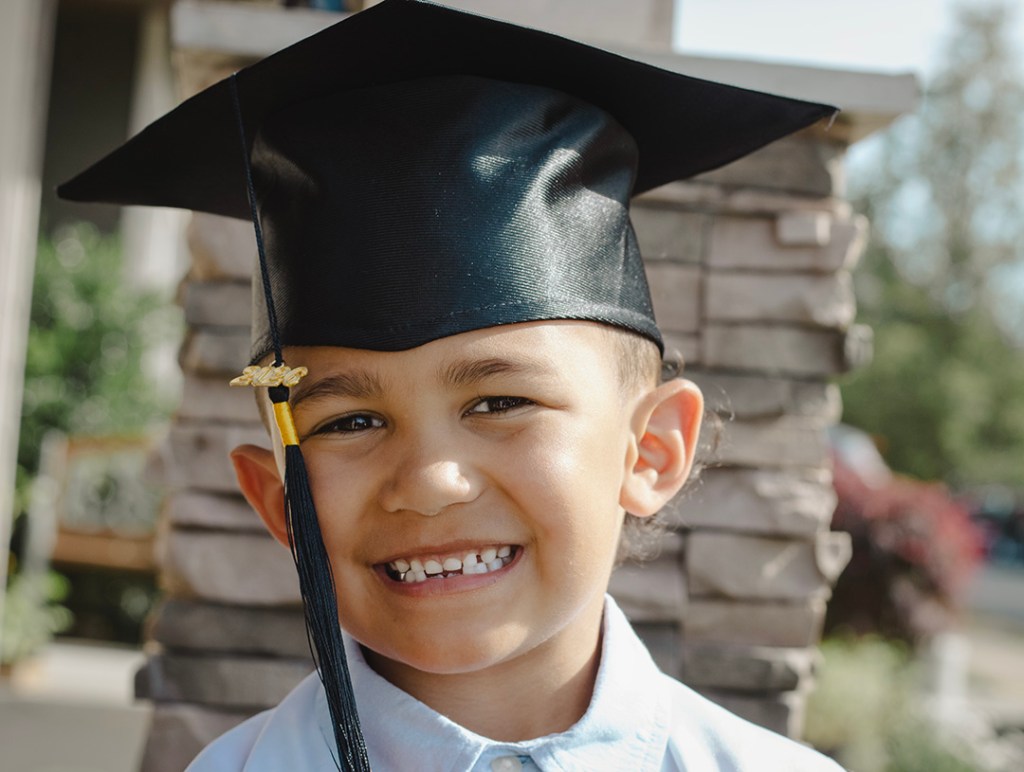
Those firsts I was talking about are represented in this photo. He just lost his first teeth 2 days in a row. His two bottom teeth.
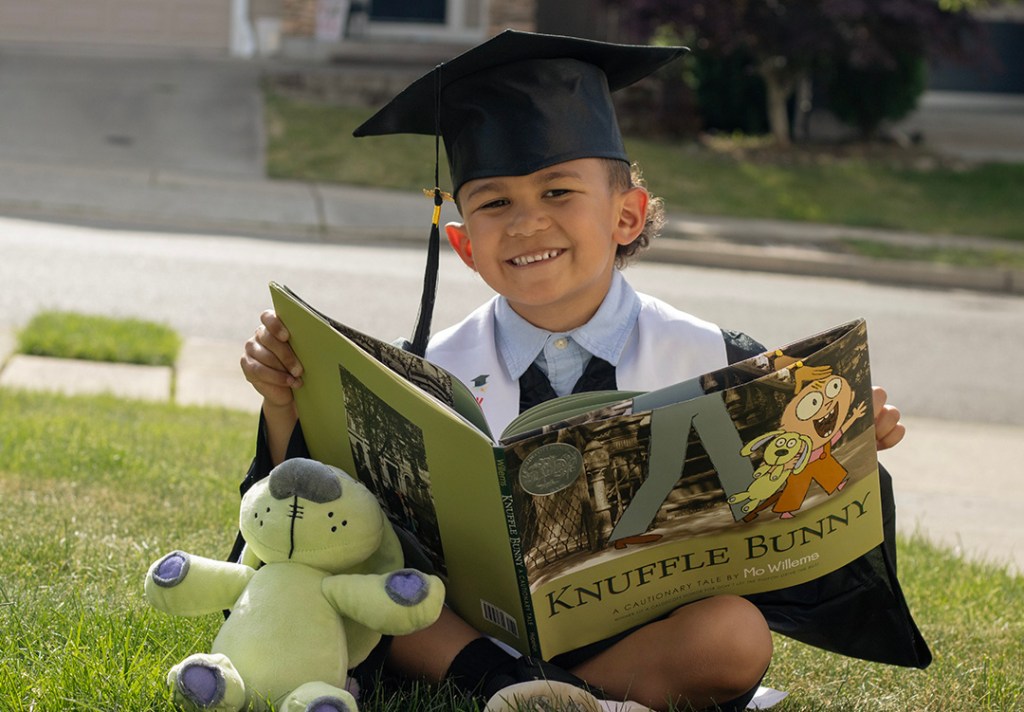
This photo represents his perseverance to learn through struggles. He learned to read this year and practices everyday.
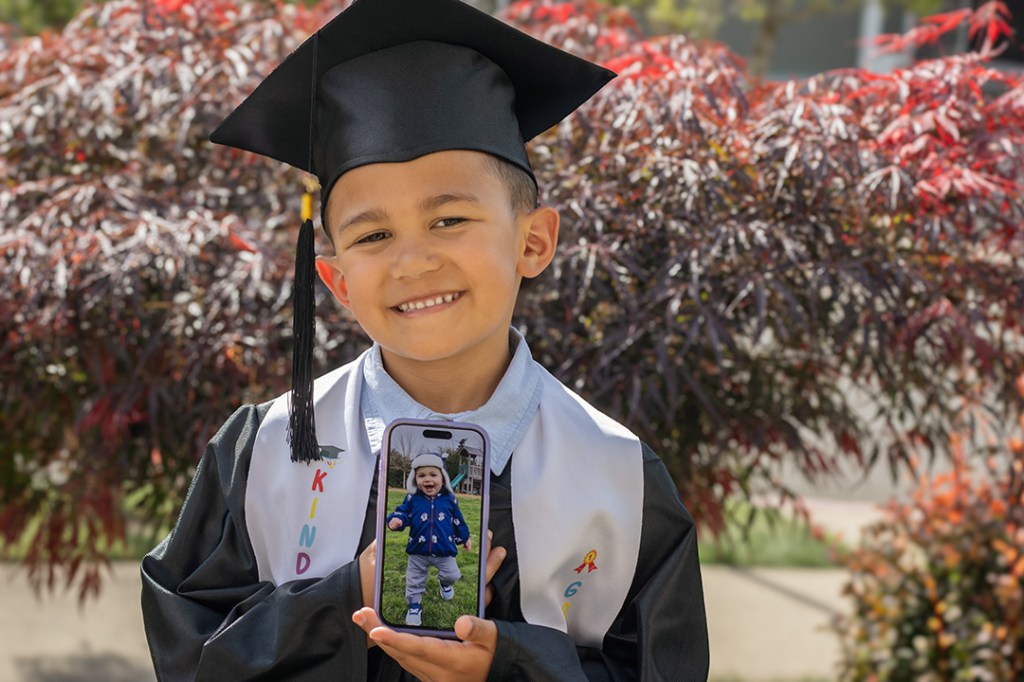
He is officially a big boy so it was only right to pay homage to his baby photo.
Living life through the eyes of my kids keeps me focused and on my toes. It’s fun to stop and get down on a kids level and remember how fun life can still be.
He’s dancing his way into summer fun.
Kindergarten graduation is about walking into a new chapter of responsibilities as a kid.
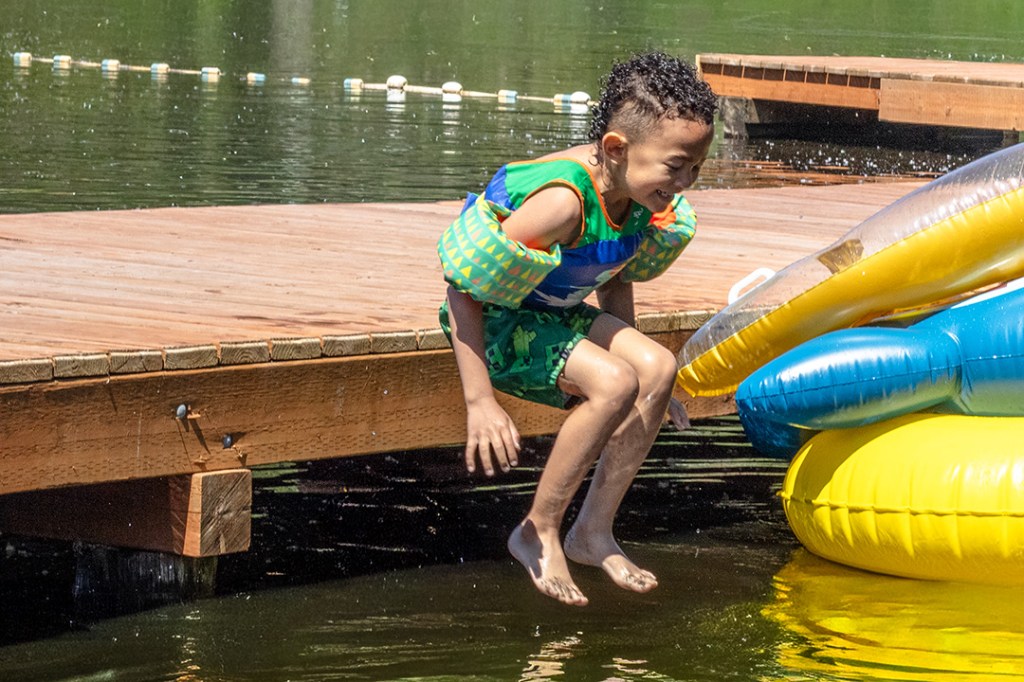
How we kicked off summer in celebration of being a “big boy” jumping into deep ends.